Search Engine Marketing

Google Quietly Announces Search Partner Network Placement Visibility via @sejournal, @brookeosmundson

Google finally adds Search Partner reporting. See where your ads run, review placements, and decide if Search Partners deserve a place in your budget. The post Google Quietly Announces Search Partner Network Placement Visibility appeared first on Search Engine Journal.
Google Quietly Announces Search Partner Network Placement Visibility via @sejournal, @brookeosmundson Read More »

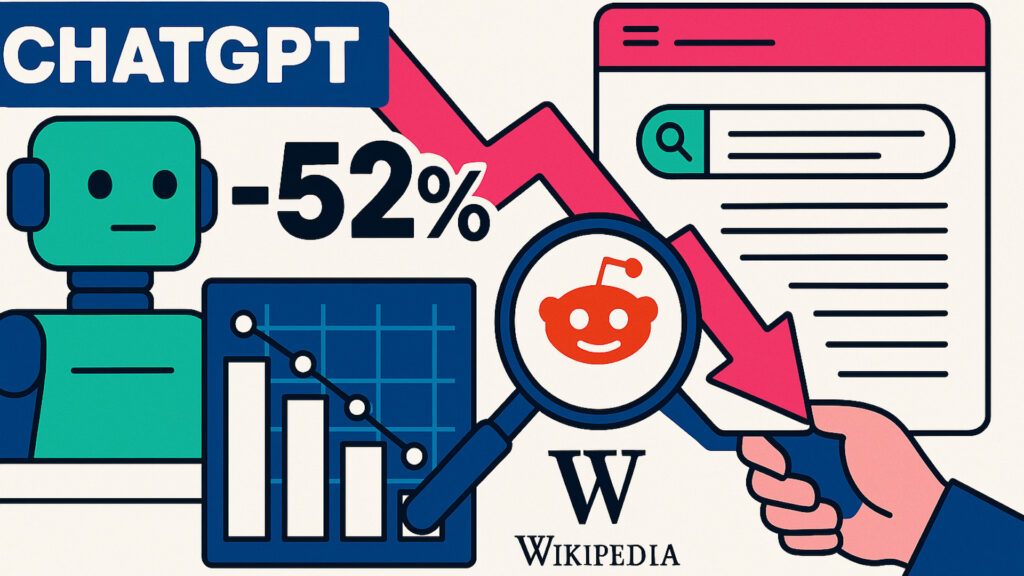
ChatGPT is sending less traffic to websites – down 52% in a month

Referral traffic from ChatGPT to websites is down 52% since July 21, according to Profound’s Josh Blyskal, who analyzed more than 1 billion ChatGPT citations and 1 million referral visits from a sample of sites across various verticals. By the numbers. Some of the key findings: Reddit citations are up 87% since July 23, now

ChatGPT is sending less traffic to websites – down 52% in a month Read More »

Google Ads pushes richer conversion imports

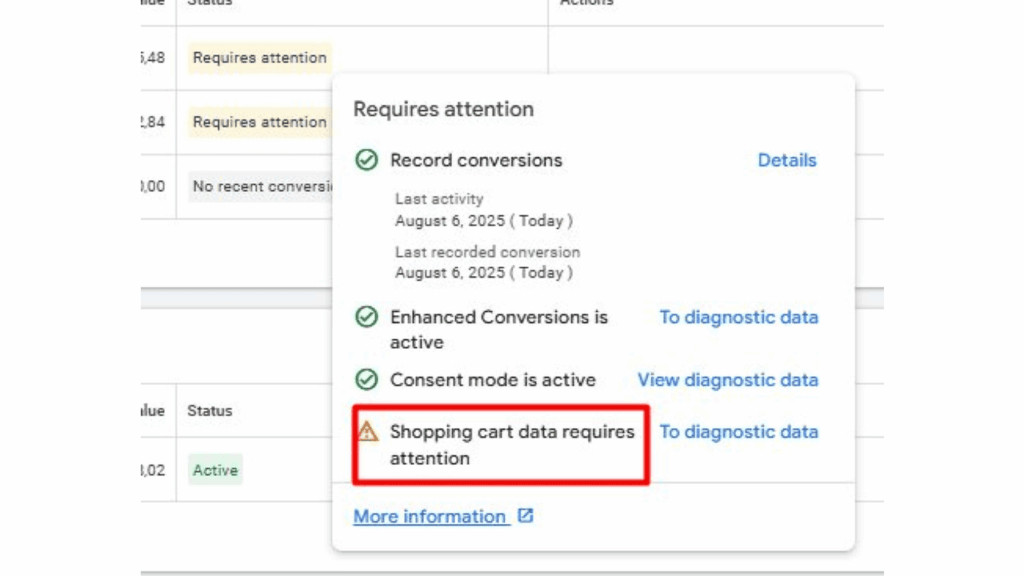
Google is pushing advertisers to enrich the conversion data they send to Google Ads, saying more signals mean stronger attribution, better modeling, and ultimately, improved campaign performance. How it works. Google recommends upgrading pipelines to the latest Ads API (v20+) and layering in multiple data points: User-provided data (hashed email, phone) to unlock cross-device conversions.

Google Ads pushes richer conversion imports Read More »

Google unifies Local Services Ads under new Verified badge

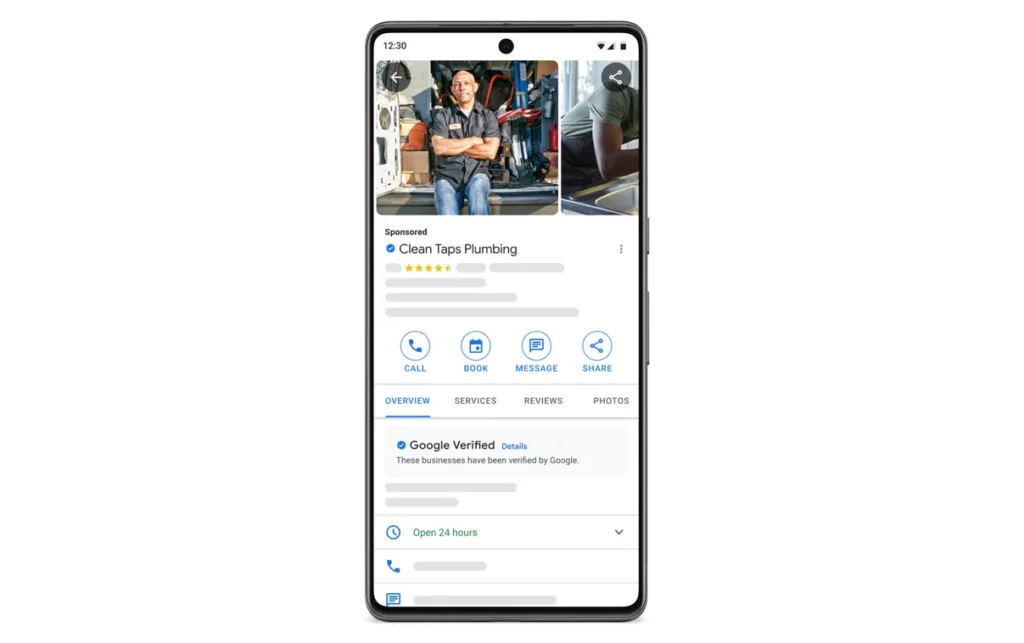
Google will consolidate its Local Services Ads (LSA) credibility programs into a single Google Verified badge, starting in October. The badge replaces multiple programs, including Google Guaranteed, Google Screened, License Verified by Google, and the Money Back Guarantee. It will appear on eligible LSA profiles that have completed Google’s screening and verification process. How it

Google unifies Local Services Ads under new Verified badge Read More »

Google Ads demographics: A deep dive into targeting and exclusion

In traditional forms of advertising, marketers often define their target audience based on basic demographics like age and gender. “Our target customer is women 25-45!” “Our target customer is men 18-24!” In digital advertising, we can get much more specific, defining our target audience based on things like significant life transitions, in-market behaviour, past interactions

Google Ads demographics: A deep dive into targeting and exclusion Read More »

Agency-grade PPC audits: How to turn reports into growth roadmaps

When most marketers think of a PPC audit, they picture a checklist:  Pull a few reports. Flag the obvious inefficiencies. Send the client a PDF. Call it a day.  In reality, that’s a missed opportunity, especially for agencies. An effective audit should be more than just a diagnostic.  Drawing on years of running agency-grade audits,

Agency-grade PPC audits: How to turn reports into growth roadmaps Read More »