Search Engine Marketing

Build your marketing ark: A framework for AI, empathy, and design

There’s a flood coming. A downpour of noise — more content, more channels, more AI-generated everything, moving faster than most teams can keep up with. Somewhere in that volume, your customers are quietly drowning — overwhelmed, underserved, and one bad experience away from choosing someone else. You’ve probably felt it on your team, too. Another […]

Build your marketing ark: A framework for AI, empathy, and design Read More »
Why your content doesn’t appear in AI Overviews (even if it ranks in the top 10)

You’ve done everything right. You have a fast website with comprehensive content, pages ranking in the top 10, and a strong backlink profile. Yet when you search the query you rank for, your site doesn’t appear in Google’s corresponding AI Overview. This is a retrieval problem, not a ranking issue. And the difference between the

Why your content doesn’t appear in AI Overviews (even if it ranks in the top 10) Read More »

Google adds channel performance timeline view to PMax campaigns

Google launched a new channel performance timeline view inside Performance Max, giving advertisers a clearer breakdown of how individual channels — Search, YouTube, Display, and others — are contributing to campaign results over time. What’s new. A timeline graph now shows channel-level contributions over a selected period, paired with investment and performance filters. Advertisers can

Google adds channel performance timeline view to PMax campaigns Read More »

Build your own AI search visibility tracker for under $100/month

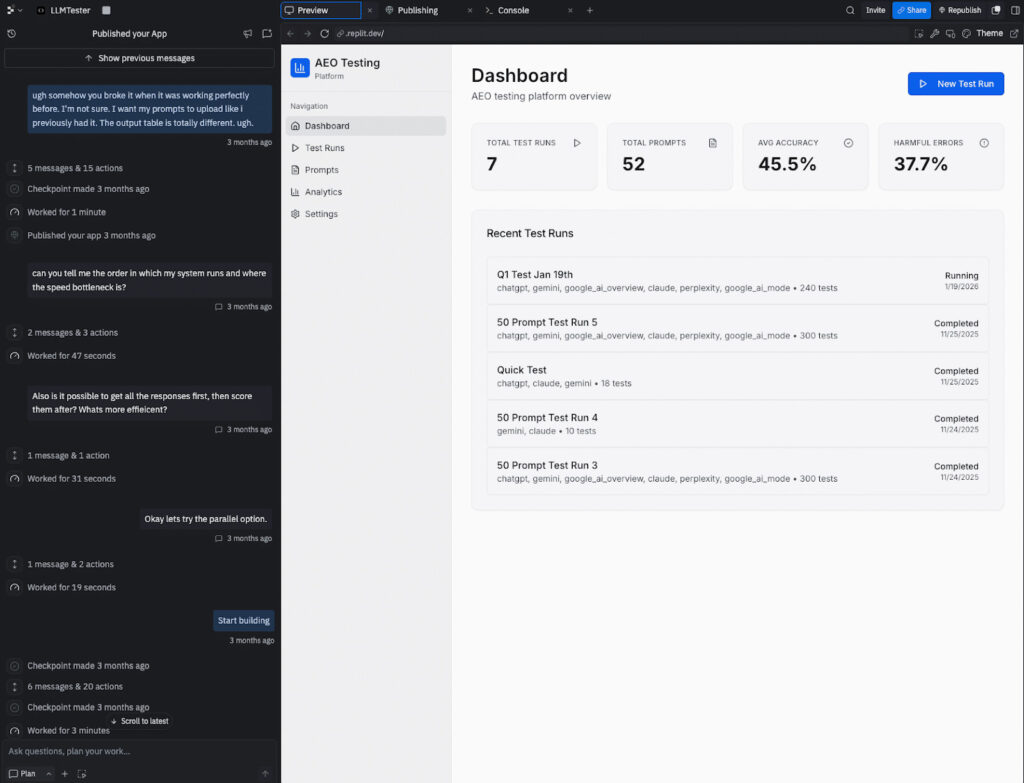
Tracking your brand’s visibility in AI-powered search is the new frontier of SEO. The tools built to do this are expensive, often starting at $300 to $500 per month and quickly rising from there. For many, that price is a nonstarter, especially when custom testing needs go beyond what off-the-shelf software can handle. I faced

Build your own AI search visibility tracker for under $100/month Read More »

Google Ads experiments now auto-apply results by default

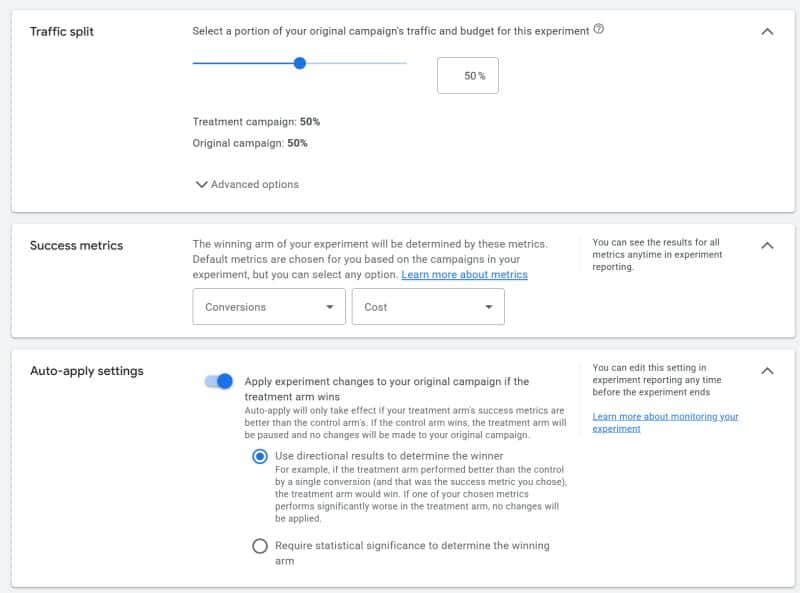
Google Ads quietly added an auto-apply setting to its experiments feature — and it’s turned on by default, meaning winning experiment variants can be automatically pushed live without manual review. How it works. Advertisers can choose between two modes — directional results (the default) or statistical significance at 80%, 85%, or 95% confidence levels. There

Google Ads experiments now auto-apply results by default Read More »

Bing is testing a much larger sponsored product carousel in shopping results

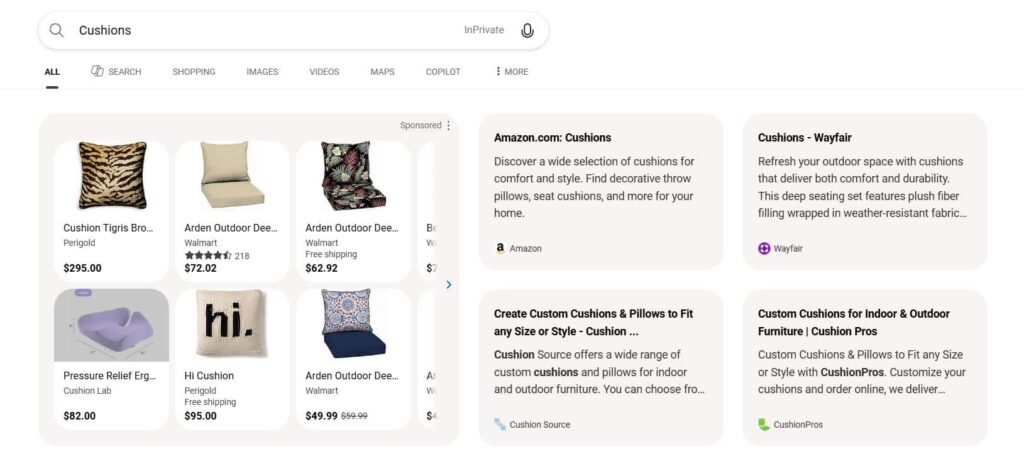
Bing appears to be testing a significantly expanded sponsored products section in its shopping search results, featuring a double-rowed carousel that takes up considerably more real estate than its current format. What was spotted: The test was flagged by Digital Marketer Sachin Patel, who noticed the expanded layout while searching for cushions on Bing. The

Bing is testing a much larger sponsored product carousel in shopping results Read More »