Cloud Computing

Game on with Spanner: How Playstation achieves global scale with 91% less storage, 50% lower costs

Every time you boot up your PlayStation and your game library loads — every Final Fantasy title, every Crash Bandicoot remaster, every indie gem you impulse-bought at 2 A.M. — there’s a system working behind the scenes to confirm you own what you own.  Sony Interactive Entertainment calls this the Entitlements service. It covers more […]
Game on with Spanner: How Playstation achieves global scale with 91% less storage, 50% lower costs Read More »

Calling all devs: Build the future of Multimodal AI in the Gemini Live Agent Challenge

Hey builders! Stop typing, and start interacting! We are moving beyond the text box. The future of AI is all about immersive, real-time experiences. To celebrate multimodal AI, we’re challenging you to build the next generation of agents that can help you see, hear, speak, and create in the Gemini Live Agent Challenge. Build multimodal

Calling all devs: Build the future of Multimodal AI in the Gemini Live Agent Challenge Read More »

Cost-Effective AI with Ollama, GKE GPU Sharing, and vCluster

As organizations scale their AI workloads, two major challenges often emerge: the high cost of underutilized GPUs and the operational complexity of managing isolated environments for multiple teams. Traditionally, assigning a whole GPU to a single pod is inefficient, but managing separate clusters for every team is operationally heavy. In this post, we’ll demonstrate how

Cost-Effective AI with Ollama, GKE GPU Sharing, and vCluster Read More »

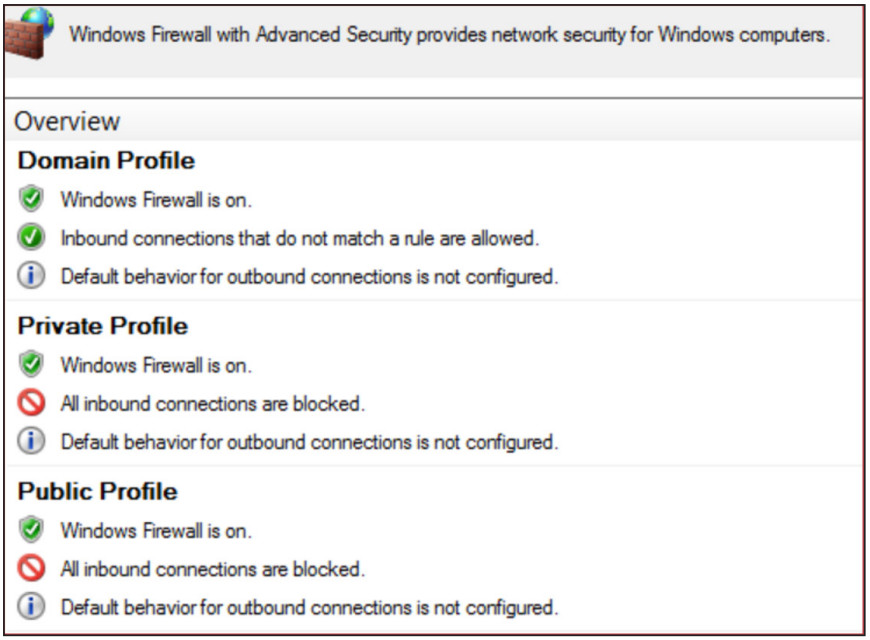
Proactive Preparation and Hardening Against Destructive Attacks: 2026 Edition

Written by: Matthew McWhirt, Bhavesh Dhake, Emilio Oropeza, Gautam Krishnan, Stuart Carrera, Greg Blaum, Michael Rudden Background Threat actors leverage destructive malware to destroy data, eliminate evidence of malicious activity, or manipulate systems in a way that renders them inoperable. Destructive cyberattacks can be a powerful means to achieve strategic or tactical objectives; however, the

Proactive Preparation and Hardening Against Destructive Attacks: 2026 Edition Read More »

Make security simpler: Introducing the Google Cloud recommended security checklist

A secure foundation is essential for tech innovation. As organizations embrace agentic AI, they should also continue to prioritize cloud security and risk management.   To help organizations better manage security requirements and set configurations, today we’re publishing a recommended security checklist inspired by the Minimum Viable Secure Product (MVSP) principles. These curated controls provide a

Make security simpler: Introducing the Google Cloud recommended security checklist Read More »

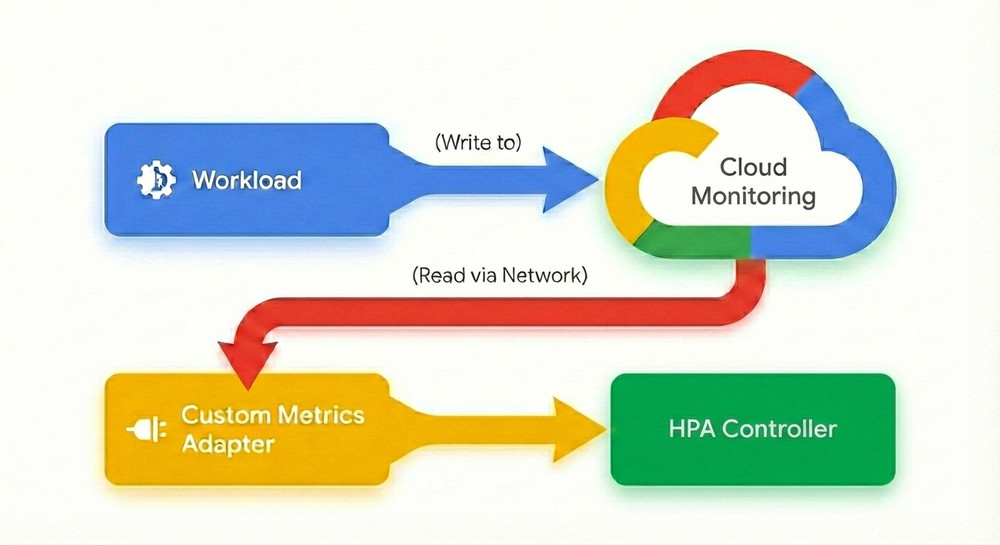
Grow your own way: Introducing native support for custom metrics in GKE

When platform engineers, AI Infrastructure leads and developers think about autoscaling workloads running on Kubernetes, their goal is straightforward: get the capacity they need, when they need it, at the best price.  However, while scaling on CPU and memory is simple enough, scaling on application signals like queue depth or active requests is not. Historically,

Grow your own way: Introducing native support for custom metrics in GKE Read More »

Look What You Made Us Patch: 2025 Zero-Days in Review

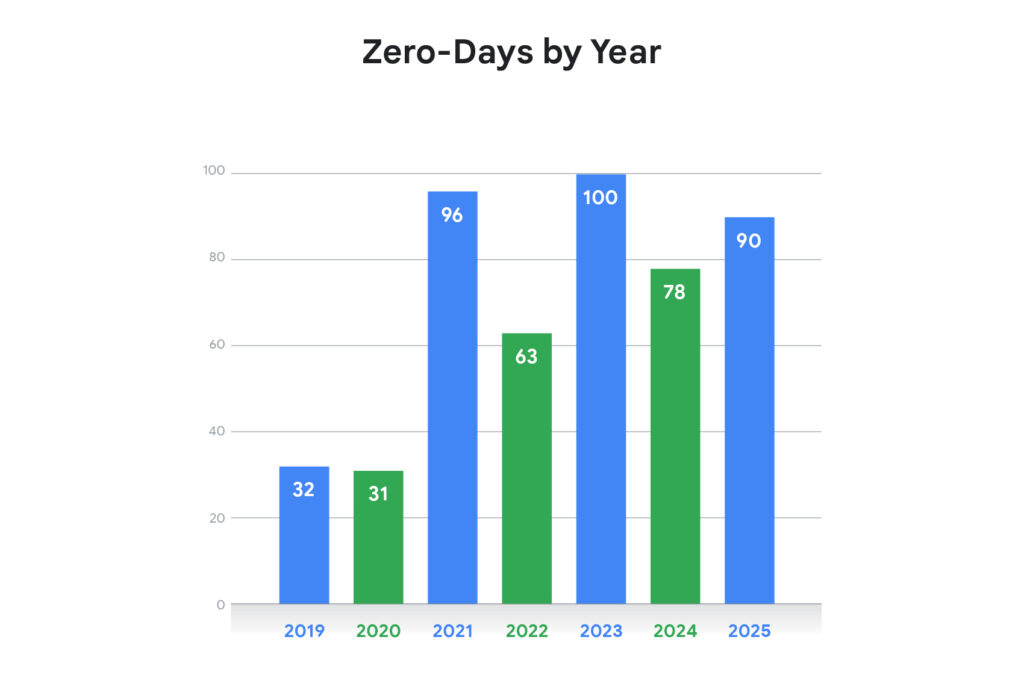
Written by: Casey Charrier, James Sadowski, Zander Work, Clement Lecigne, Benoît Sevens, Fred Plan Executive Summary Google Threat Intelligence Group (GTIG) tracked 90 zero-day vulnerabilities exploited in-the-wild in 2025. Although that volume of zero-days is lower than the record high observed in 2023 (100), it is higher than 2024’s count (78) and remained within the

Look What You Made Us Patch: 2025 Zero-Days in Review Read More »