
You Shipped It Fast. But Did You Ship It Right?
Why AI-accelerated teams keep breaking production — and what the ones that don’t are doing differently
You Shipped It Fast. But Did You Ship It Right? Read More »
Why AI-accelerated teams keep breaking production — and what the ones that don’t are doing differently
You Shipped It Fast. But Did You Ship It Right? Read More »
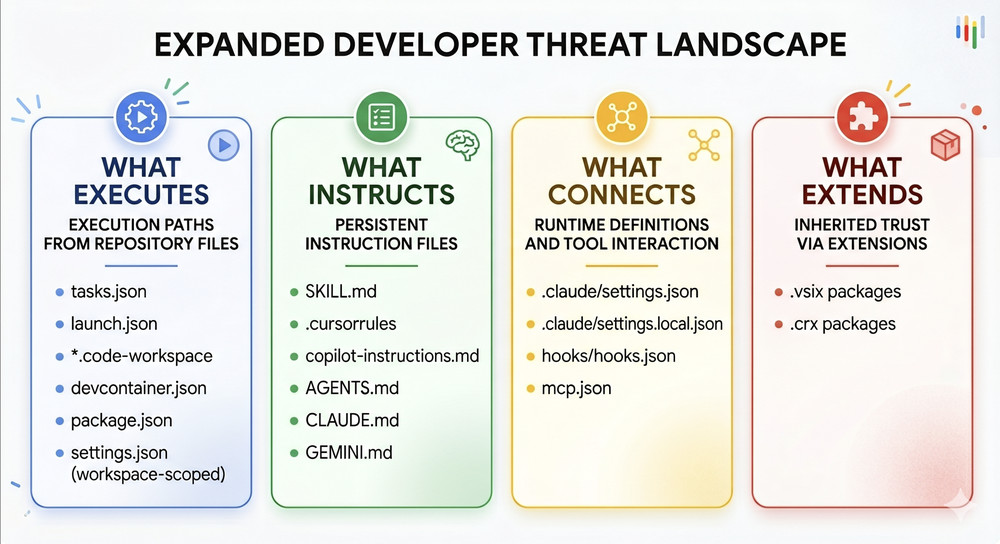
As AI coding agents become deeply embedded in developer workflows, defenders must evolve their definition of malicious files and rethink how to protect against them. Autonomous AI agents operate across integrated development environments (IDEs), editors, terminals, and extension runtimes, and they often have access to local files, command execution, and external services. As a result,
Beyond source code: The files AI coding agents trust — and attackers exploit Read More »

The modern web is extremely visual. People are busy and easily-distracted, and smart companies know they have just seconds to attract would-be customers with compelling images, videos, animations, and other eye-catching elements. That’s why iconic brands like Bugatti, Yeti, Porsche, Spotify, and Sonos rely on Imgix to be the engine driving their online visual media.
How Imgix processes 8 billion images daily with G4 VMs powered by NVIDIA Blackwell Read More »
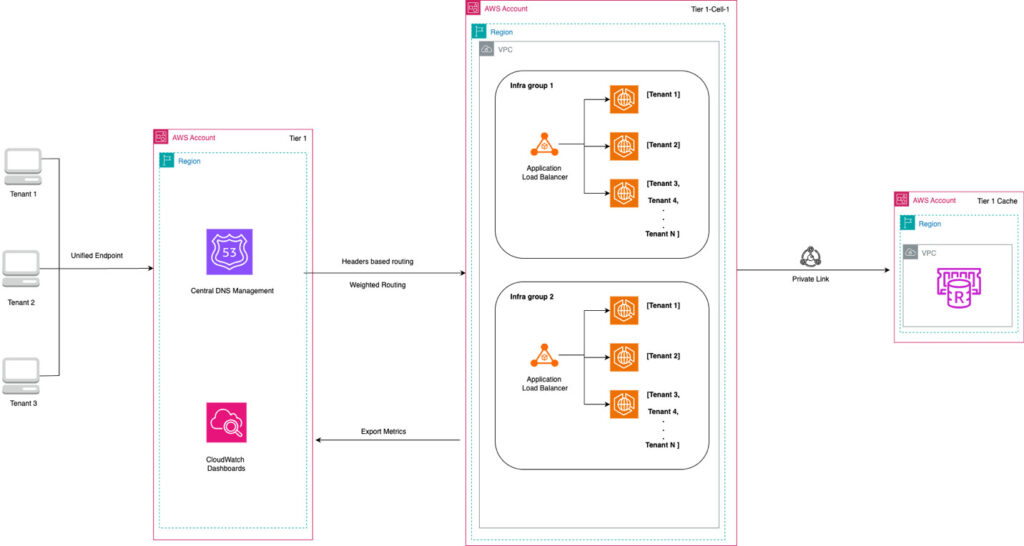
Running a large-scale ad-serving infrastructure presents unique challenges when balancing tenant isolation with operational efficiency. Our infrastructure handles millions of requests per second and generates billions of dollars in annual advertising revenue, serving ads across multiple properties and systems. The cellular architecture problem Earlier, we had a cellular architecture where we allocated each AWS account
Building hybrid multi-tenant architecture for stateful services on AWS Read More »
At HumanX, Ryan is joined by Philip Rathle, CTO at Neo4j to discuss what knowledge context means for AI agents, how limitations like stale training data make the model-only approach to agents a bad fit for enterprise environments, and how Graph RAG raises the bar for accuracy and reduces context rot by combining vectors with
Connecting the dots for accurate AI Read More »
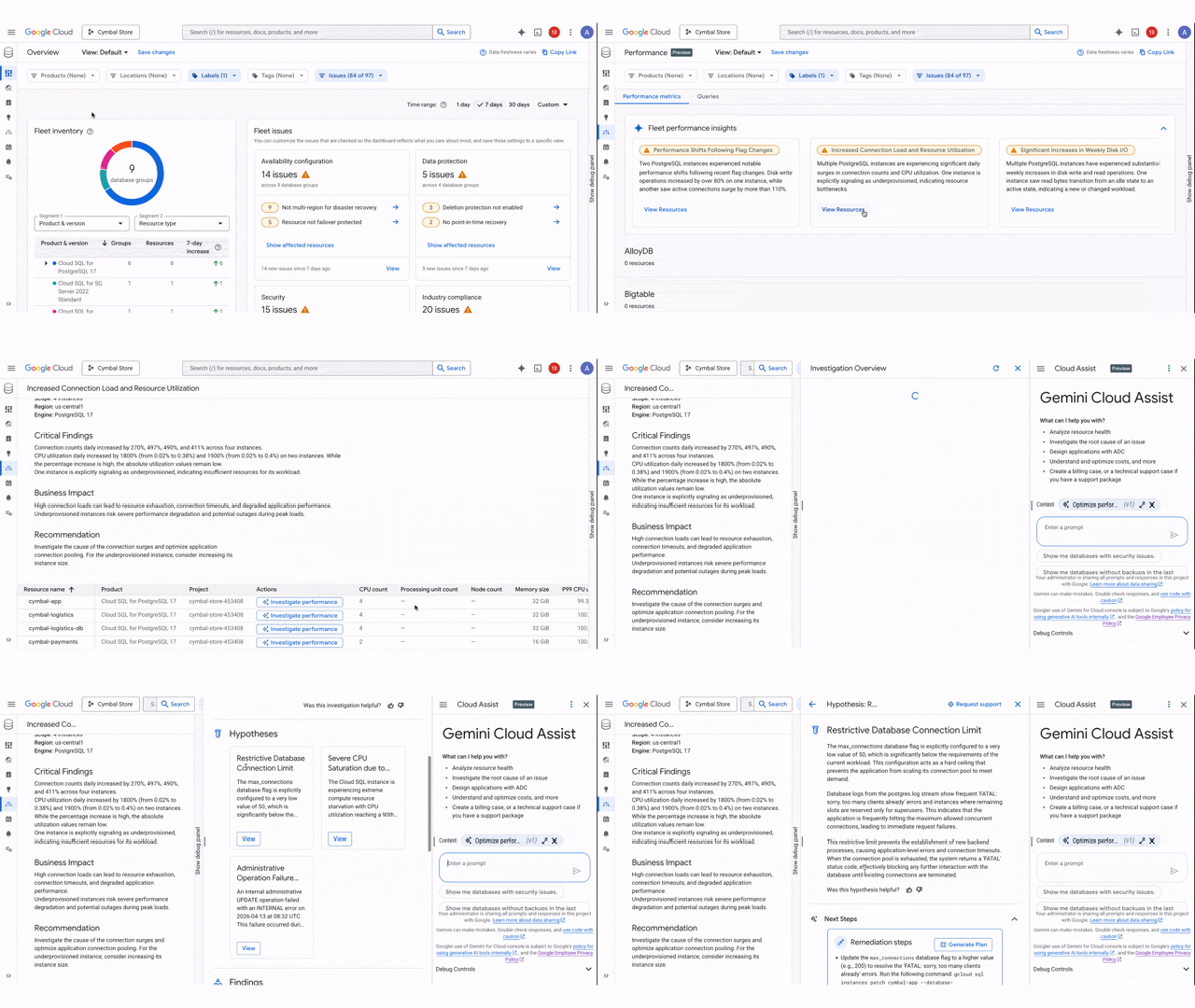
Managing a modern database fleet is both a scale and cognitive problem. As database estates grow, the effort required to monitor, troubleshoot, and optimize them often outpaces teams’ capacity, who find themselves fighting database issues in isolation, buried under a mountain of fragmented signals. We designed Database Center as a single pane of glass that
Meet the latest Database Center, now with Gemini-powered fleet intelligence Read More »
Organizations face critical architectural decisions that can impact their operations for years to come. Recently, I had the opportunity to collaborate with a cloud migration advisor on a question that challenges many enterprises during their cloud adoption journey: Is it better to maintain a single organization or implement multiple organizations? This same question was also
Choosing between single or multiple organizations in AWS Organizations Read More »
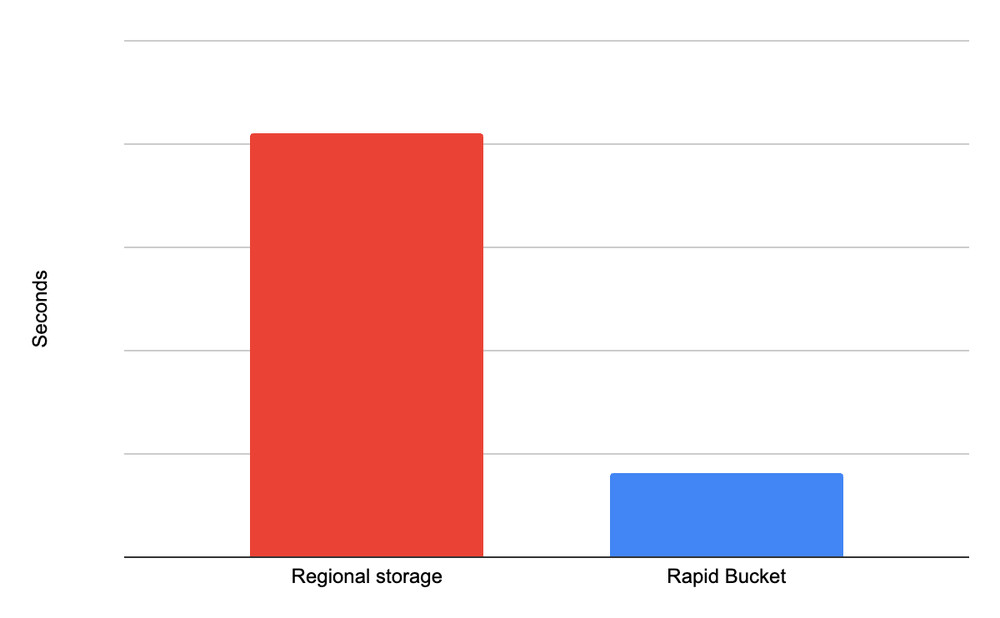
At Google Cloud Next ’26 we announced Cloud Storage Rapid, a family of object storage capabilities for data-intensive workloads like AI and analytics. Out of the gate, Cloud Storage Rapid consists of Rapid Bucket (formerly Rapid Storage), a high-performance zonal object storage offering, and Rapid Cache (formerly Anywhere Cache), which accelerates reads on-demand and colocates
Cloud Storage Rapid: Turbocharged object storage for AI and analytics Read More »

Frontier AI models have redefined the unit of compute. At trillion-parameter scale, AI training requires thousands of interconnected components, orchestrated in industrial-scale deployments to operate as a single, massive entity. Likewise, when it comes to reliability, aggregate infrastructure availability is what matters. Yet for almost two decades, instance-level reliability has been the cloud standard. Designed
Cluster-level reliability for trillion-parameter models on TPUs Read More »