
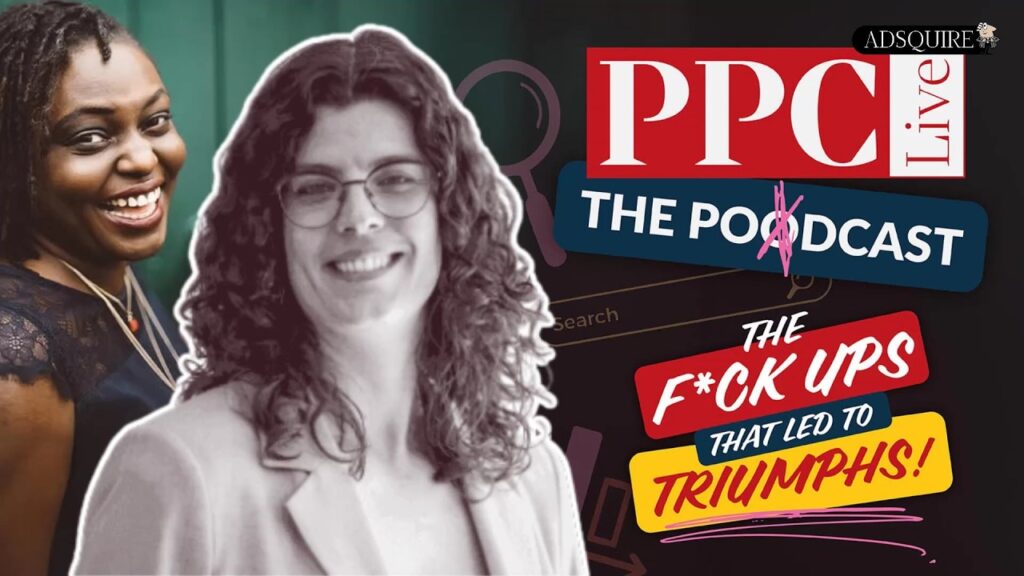

On the latest episode of PPC Live the Podcast, Ana Kostic shared how one account restructure taught her a lesson that still shapes how she manages paid media today: successful PPC isn’t about building the perfect campaign structure—it’s about protecting the business behind it.
The mistake: A “perfect” account restructure
Early in her career, Kostic inherited a Google Ads account with a messy structure. Determined to apply PPC best practices, she rebuilt the account from the ground up, confident that cleaner campaigns and better keyword organisation would improve performance. Instead, traffic and sales dropped by around 40%.
The hidden cost of starting over
The issue wasn’t the new structure itself—it was wiping away years of historical performance data that Google’s systems had learned from. The account eventually recovered, but only after roughly two and a half months, with the full benefits taking closer to six months to materialise.
The lesson wasn’t about Google Ads
For Kostic, the biggest takeaway wasn’t technical. It was recognising that businesses can’t afford major revenue dips while platforms relearn campaign performance. “You have to think about the business first,” she said.
Ask business questions before platform questions
Today, Kostic starts every onboarding by understanding the business rather than the account. She asks about cash flow, margins, growth goals and how much short-term disruption the company can realistically absorb before recommending major structural changes.
Why slow beats perfect
Rather than replacing campaigns overnight, Kostic now introduces changes gradually, allowing new structures to learn while existing campaigns continue delivering results. Her philosophy is simple: “We like it slow and boring.”
Communication is part of optimisation
Kostic also credits her former manager for helping navigate the difficult conversations that followed. Instead of assigning blame, the agency focused on transparency, created a recovery plan and supported both the client and the team until performance stabilised.
PPC doesn’t stop inside Google Ads
One of Kostic’s biggest pieces of advice is to spend more time talking to sales teams. Those conversations often reveal the language customers actually use, helping advertisers build better campaigns than platform data alone can provide.
AI doesn’t change the fundamentals
While she’s a strong advocate for products like Performance Max, Kostic says AI shouldn’t replace good decision-making. Advertisers should still put guardrails in place, test gradually and prioritise business stability over chasing every new feature.
Bottom line
The biggest PPC mistakes aren’t always campaign mistakes—they’re business mistakes. For Kostic, rebuilding an account too aggressively became the experience that transformed her from a platform specialist into a business-first strategist.