
Apple’s upcoming iPhone 17e is set to feature slimmer display bezels while retaining the iPhone 14–based OLED panel used in the 16e, according to a new report from The Elec.
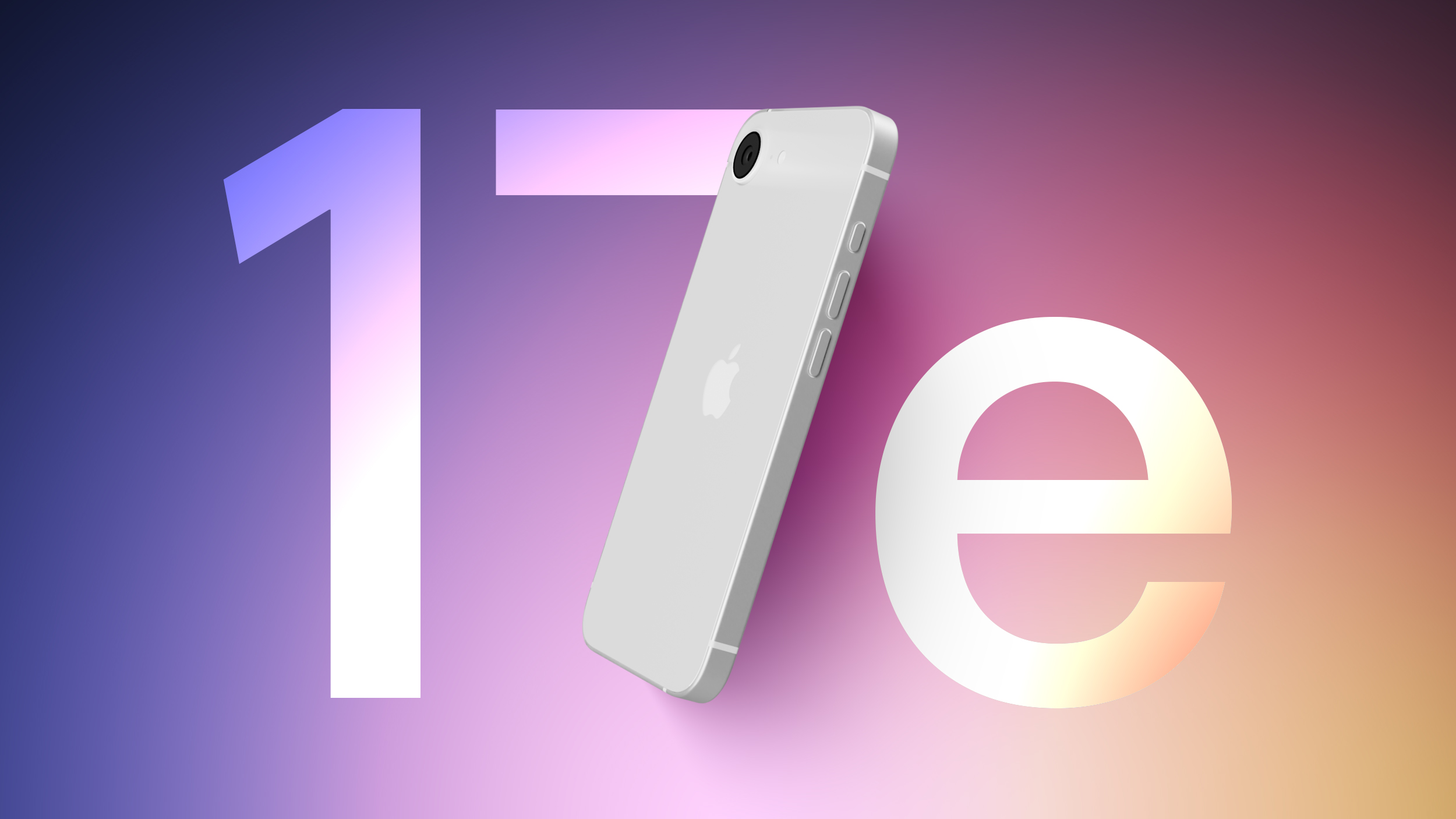
Citing supply chain sources, the Korean-language report says BOE will again produce most of the panels for the second generation of Apple’s more affordable “e” iPhone model, with Samsung Display and LG Display supplying the rest. However, the report does not claim that the iPhone 17e will feature a Dynamic Island, as has previously been rumored.
In August, Weibo-based leaker Digital Chat Station claimed that the iPhone 17e will gain upgrades including the Dynamic Island and the A19 chip. The current iPhone 16e features a notch at the top of the display, similar to the iPhone 13 and iPhone 14, and an A18 chip. Apple introduced the Dynamic Island on iPhone 14 Pro models.
As things stand, slimmer bezels are more believable than claims that the device will gain Dynamic Island. Apple could slim down the bezels without changing the display panel itself, since bezel size is largely determined by the frame and how tightly the screen fits into the chassis.
If Apple is reusing the mass-produced OLED panel from the iPhone 14 to keep costs down, it can still refresh the look of the device by tweaking the frame and reducing the border around the display. It’s the kind of update that would deliver a noticeable design improvement without adding much to manufacturing costs.
Dynamic Island, however, is harder to implement. Apple can’t simply add the feature to an older notch-based display. The pill-shaped cutout requires a reworked TrueDepth camera layout, revised sensor placement, and updated display masking.
Adopting Dynamic Island would mean scrapping several of the components and production efficiencies Apple is reportedly trying to reuse for the 17e. Bringing in new tooling and redesigned sensor modules would therefore seem to defeat the cost-saving strategy that defines Apple’s “e” line. Retaining the notch on the second version also differentiates the lower-cost device from Apple’s premium flagship iPhone 17 models.
Today’s report also backs claims that the iPhone 17e will retain a 6.1-inch OLED display with a 60Hz refresh rate. BOE has not yet been able to reliably produce low-temperature polycrystalline oxide (LTPO) panels for iPhone 17 models, but it can produce low-temperature polycrystalline silicon (LTPS) TFT panels, which the iPhone 16e uses. LTPS panels can’t support the variable refresh rate that iPhone 17 models tout.
Reliable sources such as Ming-Chi Kuo, Bloomberg‘s Mark Gurman, and The Elec agree that the iPhone 17e is on schedule to launch early next year.
This article, “iPhone 17e to Use Same OLED Panel But Feature Slimmer Bezels” first appeared on MacRumors.com
Discuss this article in our forums