Let’s get right to it. Are you afraid of the term “digital labor”? With so many new buzzwords shaping the way we work, it’s easy to assume that as a small or medium-sized business (SMB) or startup, this one isn’t meant for you. But digital labor isn’t about replacing people, it’s about helping them.
The biggest challenge SMB owners shared wasn’t artificial intelligence (AI). It was time. There’s never enough of it. You’re working hard to keep things moving and grow your customer base. And while you can’t add more hours to the day, you can absolutely lighten the load. But how? In this blog, you’ll learn what digital labor is and why it’s not something to be afraid of. Let’s dig in.
What you’ll learn:
- What is digital labor for startups and SMBs, anyway?
- Why digital labor isn’t something to fear
- Top benefits of digital labor for SMBs
- Common myths (and truths) about AI
- What does digital labor actually look like in action?
- Getting started with digital labor the easy way
- Digital labor for small business means big wins
What is digital labor for startups and SMBs, anyway?
The term digital labor means using AI technology to handle everyday tasks that humans usually do. Digital labor can be a tool that assists with qualifying leads, sending marketing and sales emails, or answering customer questions. You’ve probably seen it in action as an AI chatbot answering questions or a generative AI tool helping you write content.
In grander terms, digital labor is your virtual assistant who helps with routine work, so your actual team can focus on bigger goals. Your team (no matter how lean) doesn’t need to spend hours on manual tasks. Once you set up the right systems, they are trained to operate quietly in the background — doing the job 24/7 and often more accurately.
Digital labor vs. traditional automation
Traditional automation is based on fixed rules. You define a specific condition, and the system responds with a specific action. While it’s helpful for predictable tasks, it doesn’t adapt or make decisions on its own.
AI Tools for Small Business
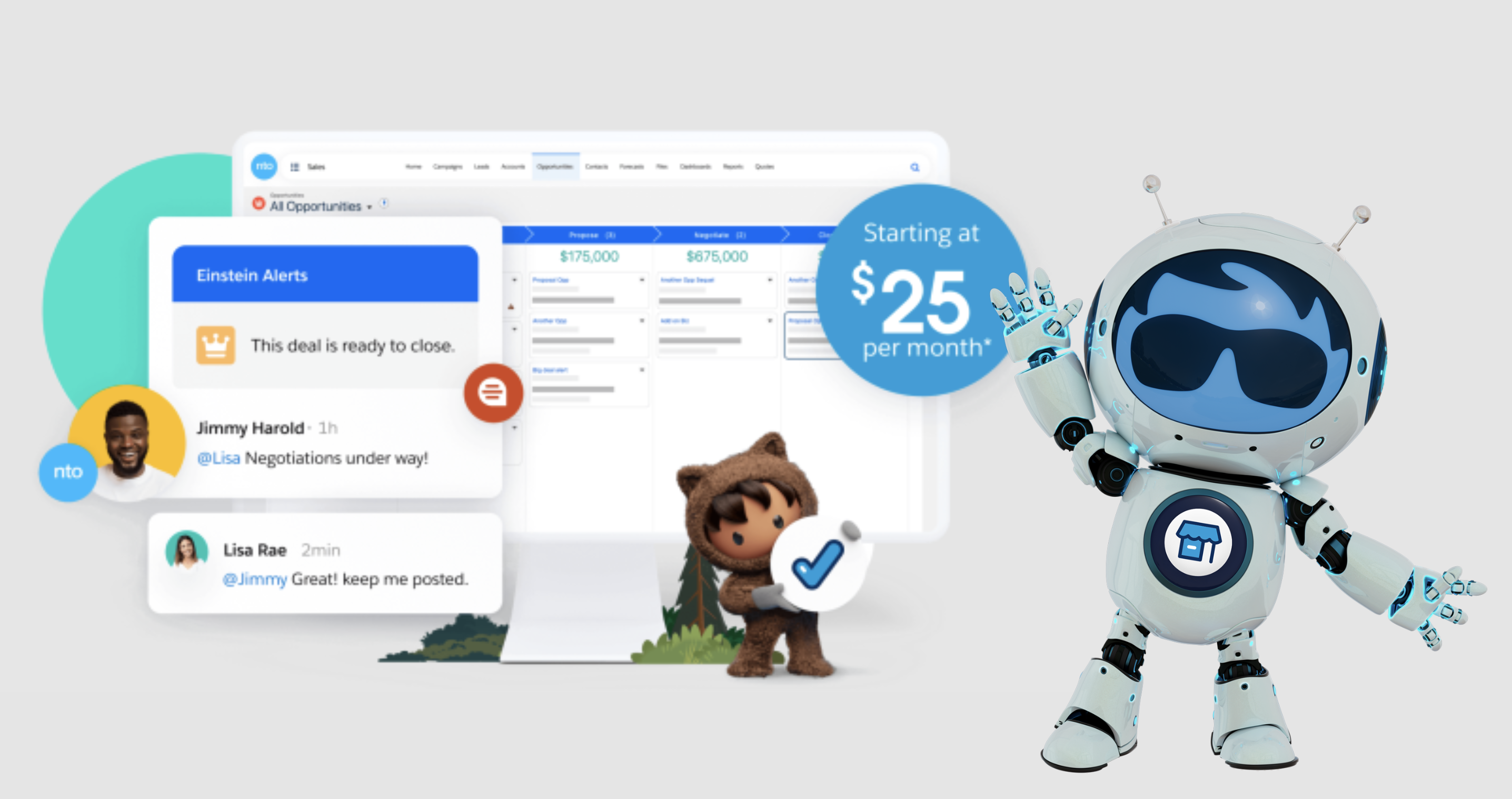

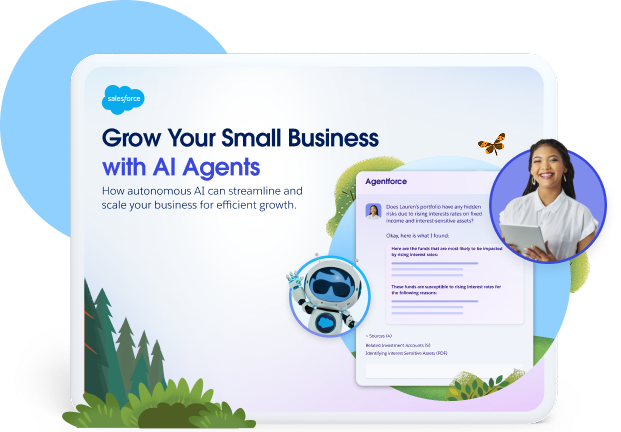

Digital labor is more advanced. It uses AI to understand patterns and context and takes outcomes into consideration. As a result, you can train it to plan and act. It helps your business move forward by acting intelligently, without needing constant input from you.
Why digital labor isn’t something to fear
When you hear terms like AI, automation, or digital labor, it’s easy to assume that they’re too advanced or too expensive for a startup. That feeling is normal. New tech can seem overwhelming, especially when you’re already limited in time and resources. But digital labor is much simpler than it sounds. It’s easier to use and costs less than you might think. The best part? It fits right into the tools you already use. You don’t need to be a tech expert to make it work for your business.
That’s why small businesses are already getting on board. According to the latest Small and Medium Business Trends Report, 75% of SMBs are investing in AI, and 71% plan to increase that investment over the next year. Why? Because it works. 90% of SMB leaders who’ve adopted AI say it makes their operations more efficient, and 87% say it helps them scale without needing to constantly grow their headcount.

And here’s the kicker: 91% of SMBs with AI say it actually boosts their revenue. It’s easy to say that this isn’t a future bet anymore — the future has arrived. So if you’ve been hesitating, know that you’re not behind. You’re right on time. And you don’t need a massive budget or an IT department to start.
Top benefits of digital labor for SMBs
When used well, digital labor can become a practical advantage for your business if you want to stay focused and competitive. Here’s how it shows up in different parts of your day-to-day:
Repetitive tasks are down to zero
Manually updating spreadsheets, sending the same email multiple times, or switching between tools can all be handled by digital labor tools. For example, a customer relationship management (CRM) tool helps you automate these repeatable tasks so you and your team can focus on more strategic and creative work. And because everything runs on a trained process, you reduce missed steps and errors. This helps you get back hours every week.
Hyper-personalized customer service 24/7
Your customers expect quick responses no matter when they reach out. Digital labor helps you deliver better service around the clock, trained by your team to handle questions even while you’re sleeping. With the right customer service training, an AI agent can respond instantly to common customer questions and resolve issues faster while keeping the experience personal. In fact, according to the State of the AI Connected Customer report, 73% of customers said they felt treated like unique individuals.
Decisions are now backed by trusted data
Instead of sorting through spreadsheets or digging through disconnected data sets, digital labor solutions bring your data together so you can make sense of it in real time. It can analyze customer behavior and service interactions, then surface the insights that matter most. You get clear, timely recommendations that help you make decisions with confidence.
Operations are scaled with AI
You can grow quickly with AI built right into your digital labor tools — specifically your CRM. Digital labor helps you handle more volume without increasing your bandwidth. You can serve more customers with AI, and without stretching your existing resources thin. It’s a smarter way to scale sustainably — the tools are here, you just need to learn how to use them.
Grow Your Small Business With AI Agents
Learn how autonomous artificial intelligence (AI) can scale your small business for efficient growth with this free e-book.
Enter a valid e-mail address
Enter a valid e-mail address
Enter a valid e-mail address
Enter a valid e-mail address
Enter a valid e-mail address
Enter a valid e-mail address
Employees
1-20 employees
21-200 employees
201-10,000 employees
10,001+ employees
Select the number of employees
Industry
Automotive
Communications
Financial Services
Healthcare
Tech
Education
Life Sciences
Manufacturing
Media
Nonprofit
Public Sector
Retail & Consumer Goods
Energy & Utilities
Other
Select your industry.
Country/Region
United States
Afghanistan
Albania
Algeria
American Samoa
Andorra
Anguilla
Antarctica
Antigua And Barbuda
Argentina
Armenia
Aruba
Australia
Austria
Azerbaijan
Bahamas, The
Bahrain
Bangladesh
Barbados
Belarus
Belize
Belgium
Benin
Bermuda
Bhutan
Bolivia
Bouvet Is
Bosnia and Herzegovina
Botswana
Brazil
British Indian Ocean Territory
Brunei
Bulgaria
Burkina Faso
Burundi
Cambodia
Cameroon
Canada
Cape Verde
Cayman Is
Central African Republic
Chad
Chile
China
Hong Kong
Macau
Christmas Is
Cocos (Keeling) Is
Colombia
Comoros
Cook Islands
Costa Rica
Cote D’Ivoire (Ivory Coast)
Croatia (Hrvatska)
Cyprus
Czech Republic
Democratic Republic of the Congo
Denmark
Dominica
Dominican Republic
Djibouti
Ecuador
Egypt
El Salvador
Equatorial Guinea
Eritrea
Estonia
Ethiopia
Falkland Is (Is Malvinas)
Faroe Islands
Fiji Islands
Finland
France
French Guiana
French Polynesia
French Southern Territories
F.Y.R.O. Macedonia
Gabon
Gambia, The
Georgia
Germany
Ghana
Gibraltar
Greece
Greenland
Grenada
Guadeloupe
Guam
Guatemala
Guinea
Guinea-Bissau
Guyana
Haiti
Heard and McDonald Is
Honduras
Hungary
Iceland
India
Indonesia
Ireland
Israel
Italy
Jamaica
Japan
Jordan
Kazakhstan
Kenya
Kiribati
Korea, South
Kuwait
Kyrgyzstan
Laos
Latvia
Lebanon
Lesotho
Liberia
Liechtenstein
Lithuania
Luxembourg
Madagascar
Malawi
Malaysia
Maldives
Mali
Malta
Marshall Is
Mauritania
Mauritius
Martinique
Mayotte
Mexico
Micronesia
Moldova
Monaco
Mongolia
Montserrat
Morocco
Mozambique
Myanmar
Namibia
Nauru
Nepal
Netherlands, The
Netherlands Antilles
New Caledonia
New Zealand
Nicaragua
Niger
Nigeria
Niue
Norway
Norfolk Island
Northern Mariana Is
Oman
Pakistan
Palau
Panama
Papua new Guinea
Paraguay
Peru
Philippines
Pitcairn Island
Poland
Portugal
Puerto Rico
Qatar
Republic of the Congo
Reunion
Romania
Russia
Rwanda
Saint Helena
Saint Kitts And Nevis
Saint Lucia
Saint Pierre and Miquelon
Saint Vincent And The Grenadines
Samoa
San Marino
Sao Tome and Principe
Saudi Arabia
Senegal
Serbia
Seychelles
Sierra Leone
Singapore
Slovakia
Slovenia
Solomon Islands
Somalia
South Africa
South Georgia & The S. Sandwich Is
Spain
Sri Lanka
Suriname
Svalbard And Jan Mayen Is
Swaziland
Sweden
Switzerland
Taiwan
Tajikistan
Tanzania
Thailand
Timor-Leste
Togo
Tokelau
Tonga
Trinidad And Tobago
Tunisia
Turkey
Turks And Caicos Is
Turkmenistan
Tuvalu
Uganda
Ukraine
United Arab Emirates
United Kingdom
United States Minor Outlying Is
Uruguay
Uzbekistan
Vanuatu
Vatican City State (Holy See)
Venezuela
Vietnam
Virgin Islands (British)
Virgin Islands (US)
Wallis And Futuna Islands
Western Sahara
Yemen
Zambia
Zimbabwe
Select your Country
State/province
北海道 – Hokkaido
青森県 – Aomori
岩手県 – Iwate
宮城県 – Miyagi
秋田県 – Akita
山形県 – Yamagata
福島県 – Fukushima
茨城県 – Ibaraki
栃木県 – Tochigi
群馬県 – Gunma
埼玉県 – Saitama
千葉県 – Chiba
東京都 – Tokyo
神奈川県 – Kanagawa
新潟県 – Niigata
富山県 – Toyama
石川県 – Ishikawa
福井県 – Fukui
山梨県 – Yamanashi
長野県 – Nagano
岐阜県 – Gifu
静岡県 – Shizuoka
愛知県 – Aichi
三重県 – Mie
滋賀県 – Shiga
京都府 – Kyoto
大阪府 – Osaka
兵庫県 – Hyogo
奈良県 – Nara
和歌山県 – Wakayama
鳥取県 – Tottori
島根県 – Shimane
岡山県 – Okayama
広島県 – Hiroshima
山口県 – Yamaguchi
徳島県 – Tokushima
香川県 – Kagawa
愛媛県 – Ehime
高知県 – Kochi
福岡県 – Fukuoka
佐賀県 – Saga
長崎県 – Nagasaki
熊本県 – Kumamoto
大分県 – Oita
宮崎県 – Miyazaki
鹿児島県 – Kagoshima
沖縄県 – Okinawa
Select a state/province
State/province
Alberta
British Columbia
Manitoba
New Brunswick
Newfoundland
Northwest Territories
Nova Scotia
Nunavut
Ontario
Prince Edward Island
Quebec
Saskatchewan
Yukon
Select a state/province
State/province
Alabama
Alaska
Arizona
Arkansas
California
Colorado
Connecticut
Delaware
District of Columbia
Florida
Georgia
Hawaii
Idaho
Illinois
Indiana
Iowa
Kansas
Kentucky
Louisiana
Maine
Maryland
Massachusetts
Michigan
Minnesota
Mississippi
Missouri
Montana
Nebraska
Nevada
New Hampshire
New Jersey
New Mexico
New York
North Carolina
North Dakota
Ohio
Oklahoma
Oregon
Pennsylvania
Rhode Island
South Carolina
South Dakota
Tennessee
Texas
Utah
Vermont
Virginia
Washington
West Virginia
Wisconsin
Wyoming
Select a state/province
We value your privacy. To learn more, visit our Privacy Statement.
Thank you for downloading the free e-book “Grow Your Small Business With AI Agents”
Common myths (and truths) about AI
Even with all the benefits, some myths are still holding startups and SMBs back. Let’s clear them up.
Myth 1: AI and automation will replace my employees
Truth: AI isn’t here to take jobs. It’s here to take tasks. It helps your team spend less time on manual work (like data entry or repetitive customer questions) and more time building relationships and solving problems. Think of it as a backup, not a replacement.
Myth 2: Only big companies can afford or use AI
Truth: Not anymore. Tools powered by AI and automation are now built right into small business platforms like your CRM or online store. You don’t need custom software or a tech team to use them. In fact, 88% of growing SMBs are increasing their tech investments, and AI is now a key factor in choosing new tools.
Myth 3: AI is too complicated to set up or manage
Truth: Yes, some AI can be complex. But that’s not the case for most small business tools today. They’re designed to be simple, with user-friendly interfaces and out-of-the-box features. And if you’re using an integrated platform, the AI works with the data you already have. It’s getting smarter so you don’t have to work harder.
What does digital labor actually look like in action?
Digital labor shows up in ways your team and customers can feel every day. Here’s how that plays out across different areas of your business.
Sales: AI agents support sales by engaging with leads at all times of day. They answer questions, handle objections, and even book meetings. They can also support your sales team with coaching tools to help refine messaging and boost performance.
Marketing: AI agents can speed up campaign creation from brief to launch. They can write content and choose the target audience. Plus, it suggests ways to improve performance by looking at real-time results.
Commerce: AI agents can help shoppers find what they’re looking for. They guide people through product searches and make online shopping feel more personal. It can even offer tailored recommendations right on your website.
Service: AI agents for service can respond to customer questions through chat, email, or messaging apps around the clock. They give fast, accurate answers by pulling information from your business data.
Team Collaboration: Digital labor, when integrated with platforms like Slack and your CRM, brings teams together. AI agents can automate routine communication, provide instant access to customer data within team channels, and streamline workflows.
Boost productivity with Slack for small business
Bring together your team, your customers, and your tools to help take your business to the next level.

Three key elements of digital labor to remember
Digital labor runs on three key elements that work together to take the load off your teams. Let’s break down how it all comes together.
1. AI (The mind)
The AI is the mind, it’s what gives digital labor its intelligence. AI helps systems understand text, recognize patterns, summarize information, and even make decisions. It’s how digital labor knows what action to take when a customer asks a question or when a lead comes in.
2. Automation (The body)
Automation handles the “doing” part. It follows defined steps to complete tasks. This could mean logging a customer call or creating a case in your system. Once the rules are set, automation gets to work fast and consistently.
3. Connected data (The soul)
Data is what helps AI and automation do their job well. When your tools have access to up-to-date customer and business information — from sales to marketing to service — they can act with context. (Soul may be a little woo-woo, but you get it.)
This kind of digital labor is powered by what’s known as “agentic AI” — AI that doesn’t just follow instructions, but can reason, make decisions, and act on its own. In Salesforce, this comes to life with Agentforce. It connects your business data with advanced AI automation, creating a team of AI agents that act like digital workers.
Getting started with digital labor the easy way
You don’t need to overhaul your entire business or invest in a bunch of new tools to start using digital labor. Here’s how you can ease into digital labor without feeling overwhelmed:
1. Start with one task that eats up the most of your time
Think about your business day. What’s one thing you or your team spends too much time doing? Maybe it’s answering basic repetitive customer questions or logging sales activity. Pick one repetitive task and make that your starting point.
2. Look for tools that are built for scaling teams
If you’re looking for an easy way to start with digital labor, your CRM is one of the best places to begin. That’s because it already holds your customer data — who they are, what they need, and how they’ve interacted with you. With AI built in, your CRM can now help you do more with that data.
Salesforce AI CRM is designed to make this easy for you. It’s easy to set up and simple to use. It’s designed to grow with your business. Everything you need — sales, marketing, commerce, service, and productivity tools — is in one place, so your data stays connected. And with built-in AI, you can start using smart features from day one. No extra setup or tech skills needed.
3. Focus on what matters most to your business
You don’t need to automate everything. The point of digital labor is to help you run your business more smoothly, not add another layer of complexity. Ask yourself:
- Will this tool save me time?
- Will it make my team’s life easier?
- Will it help me serve customers better?
If the answer is yes to any of those, it’s worth exploring.
4. Test, learn, and build confidence
You might want to have it all figured out before you take the first step. But digital labor isn’t a one-time project. It’s okay to experiment. Many tools offer free trials or starter features so you can try them out before committing. You have to start small, see what works, tweak what doesn’t, and build from there. Over time, those small steps add up to major gains in productivity and customer experience. As you get comfortable, you’ll start spotting more areas where digital labor can help.
Resources to help you get started
Want to learn more about digital labor? These free resources can help you take the next step:
- What Is Digital Labor?
- Guide for AI for Small Business
- What Is Agentforce for Small Business?
- CRM For Small Business (Your Complete Guide)
- Tips to Get Your Small Business Ready With AI
- Develop Your Organization’s Vision for AI




Digital labor for small business means big wins
Did we calm your fears around the term “digital labor”? It’s here and it’s not something to worry about. These tools are here to help you do more with less, so your team can focus on the work that really drives your business forward. And the best part? They’re built to fit how you already work, not change everything you do.
So why not start strong? Begin your journey with the Starter Suite today. Looking for more customization? Explore Pro Suite. Already a Salesforce customer? Activate Foundations and try out Agentforce today.
AI supported the writers and editors of this article.
Frequently Asked Questions (FAQs)
Yes, digital labor can often work with the tools you already use. Many AI and automation solutions are designed to integrate easily with your existing systems so you don’t have to start from scratch.
Getting started with digital labor doesn’t have to be expensive. Tools like the Starter Suite offer built-in AI and automation at a flexible pricing made for small businesses. You can start small, see value fast, and scale as your business grows.
Choose trusted AI tools that follow strong data security standards. Look for features like encryption, user access controls, and compliance with privacy laws. Always review how your data is stored and used before getting started.
You can start small by automating a simple task like sending follow-up emails or logging customer queries. Try free trials or built-in features in tools you already use. This helps you see the value of digital labor without a big upfront commitment.
Track how much faster tasks get done and how often customers get quick answers. You can also look at how smoothly your team works day-to-day. If things feel more efficient and more consistent, that’s digital labor making a difference.