You’ve polished the product photos, written the descriptions twice, and finally got the holiday promo scheduled. Then you ask your developer for one small change to the checkout page, and the answer is “that’ll take three weeks.” If that sounds familiar, headless commerce tips are probably what you’ve been searching for.
When your storefront and your back end are welded together, every tweak turns into a project, and the project usually lands on you. This post walks through four headless commerce strategies for small and medium business (SMB teams that want a faster, more flexible shop without hiring a department to run it. For a growing team, these headless commerce tips can help shops expand to new possibilities.
What is headless commerce for SMBs?
Headless commerce splits your online store into two layers. The front end is what shoppers see and use. The back end of the website holds your products, prices, orders, and customer data.
For small businesses, going headless means faster website loading times, easier design updates, and the freedom to customize the customer experience without worrying about breaking core store operations. It allows lean teams to scale efficiently and adopt new channels like mobile apps or social selling with minimal technical overhead.
Strategy 1: Start with one page, not the whole site
A good strategy for headless commerce is to start small. Pick the page that costs you the most sales, which is usually the checkout or product detail page, and go headless there first. You’ll see results fast, and your team gets to learn the new way of working before it touches everything else. This guide to implementing headless in stages, holds the same logic holds whether you sell candles or custom bikes.
Strategy 2: Connect your shop to your customer data
Did you know you can go headless with a storefront on a customer relationship management (CRM) tool? When your shop sits on the same CRM record as your sales, marketing, and service tools, everyone sees the same customer. Your service rep can see which promo a buyer clicked before they wrote in. Your marketing emails stop recommending the thing someone already bought. Salesforce commerce research found that 76% of SMB customers say their teams operate off the same CRM view, and that shared view is where the good stuff starts.
Commerce starts with Salesforce Suites
Sell more using a commerce-ready CRM with integrated tools for every sale.
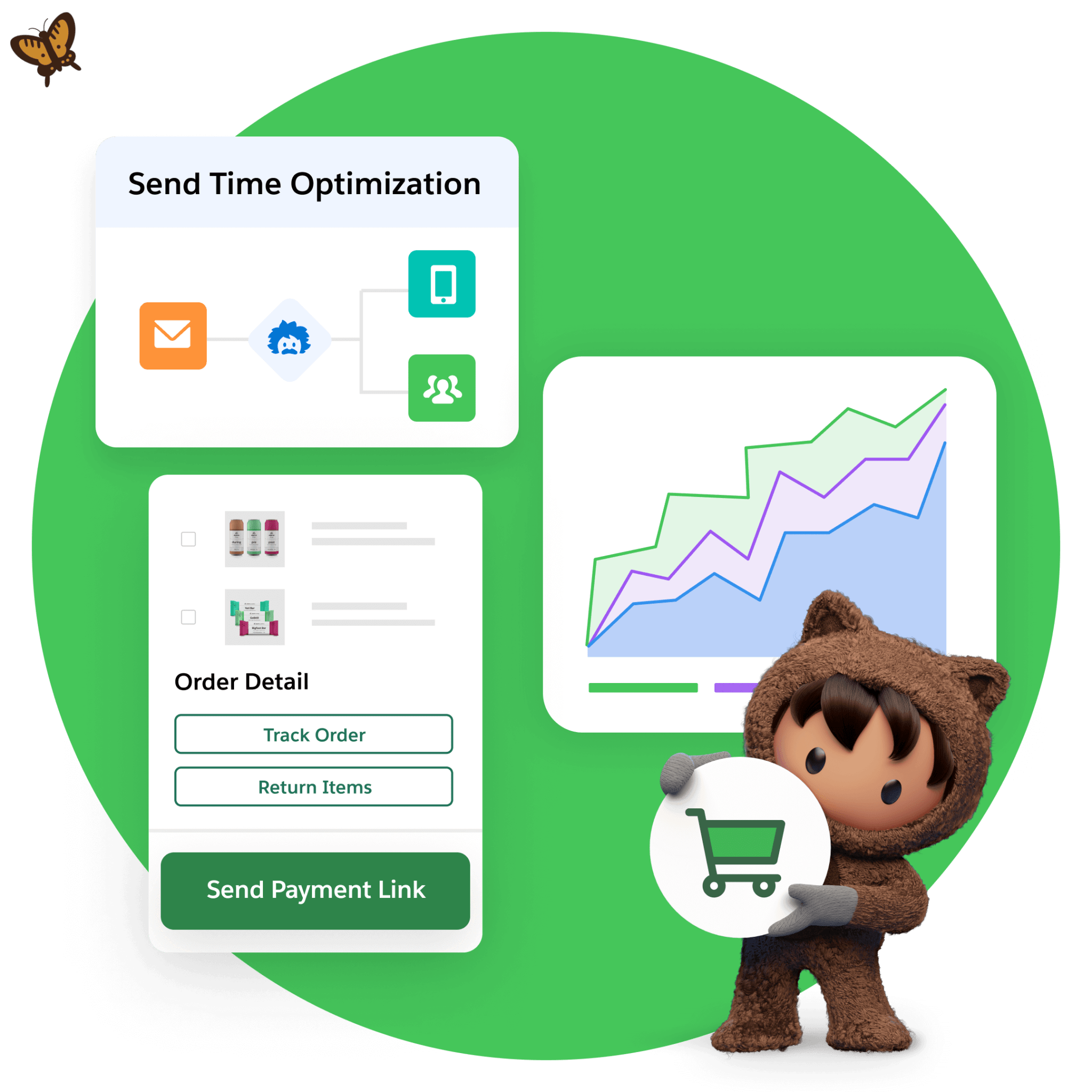
Here’s a quick way to test it. Ask yourself what happens when a customer emails about a late order. If the answer involves three browser tabs and a spreadsheet, your data isn’t connected yet.
Strategy 3: Let AI handle the repetitive work
Most small shops lose hours every week to the same questions: Where’s my order? Can I change my address? Do you have this in blue? Artificial intelligence (AI) agents can take those off your plate. In fact, 88% of SMBs are already engaging with AI, and 74% say their investment has generated strong return. With a headless setup, AI agents can plug into your shop through the same application programming interface (API) your storefront uses, so they answer with real order data instead of canned replies.
For example, consider a small online retailer handling dozens of post-launch order inquiries on a Monday morning. An AI agent connected directly to the shop’s inventory and shipping data can automatically resolve routine status updates before staff begin reviewing messages, freeing time for complex customer requests.
Meet your AI digital teammates
See how a team of AI agents can take on real work across your business.


Strategy 4: Treat speed and security as features
We can all agree that website speed plays a big role in ecommerce purchases. Google’s guidance lays out the load, interactivity, and stability targets worth aiming for, and a lighter front end makes hitting them far more realistic. Separating the layers also limits who and what can reach your core databases, which matters when Gartner reports 64% of customers think companies are reckless with data. You can refresh your design as often as you like without risking the logic underneath.
- Faster pages: A lean front end loads quickly because it isn’t carrying heavy processing.
- Safer data: Limited access to your core databases keeps sensitive buyer details protected.
- Easier updates: Change the look of a sale page without touching order logic.
- Room to grow: Add a new channel, like a mobile app or a social shop, using the same back end.
Get started with Commerce CRM for free.
No credit card required. No software to install.

Where Salesforce fits in to your ecommerce strategy
Salesforce isn’t software you have to grow into. Think of it as the best hire you’ll make for your lean team. With Commerce Cloud, you get a headless commerce approach that lets you build your own storefront or start from a ready-made kit with ecommerce best practices built in. Pair it with Agentforce and your shop gets agents that know your business, built by Salesforce, the expert in customer experience.
If you’ve got a developer or a trusted agency, they’ll appreciate the flexibility. If you don’t, start small, pick one page, and let the prebuilt pieces do the heavy lifting.
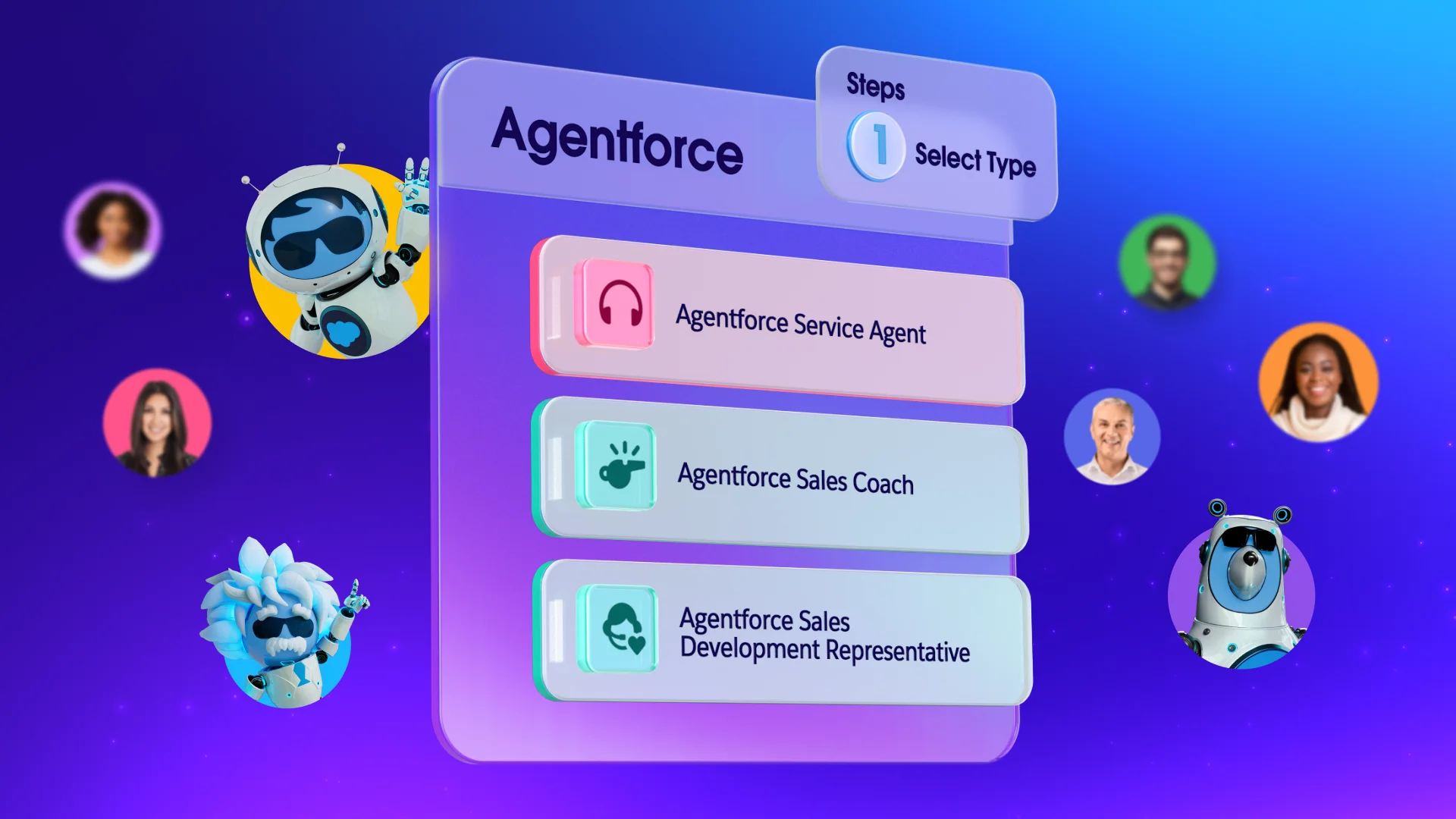
Put these headless commerce tips to work
Your shop was never supposed to be the bottleneck. Choose your first page, connect your customer data, and let an agent field the repeat questions this week. Then watch how much faster you can say yes to your own ideas.
Get started with Starter Suite for free or activate Foundations to try out Agentforce today.
AI supported the writers and editors who created this article.
What is headless commerce?
It’s an approach that separates your storefront, the part shoppers see, from the back end that manages products, orders, and data. The two connect through APIs, so you can change one without breaking the other.
Is headless commerce for startups too complicated?
It doesn’t have to be. Headless commerce for startups works best when you begin with one page, like checkout, and expand once your team is comfortable.
How much does it cost to go headless?
Costs depend on the storefront you build and the help you bring in. Staging the rollout spreads the spend out, and pre-built kits cut down on custom development.
Can I use AI agents with a headless shop?
Yes. Agents connect through APIs and can pull real order and customer data to answer questions. You can learn the basics on Trailhead before you set anything up.
Do I need a developer?
For a custom storefront, usually yes, or an agency partner. If you’d rather not build from scratch, start with a pre-built storefront kit and customize from there.