
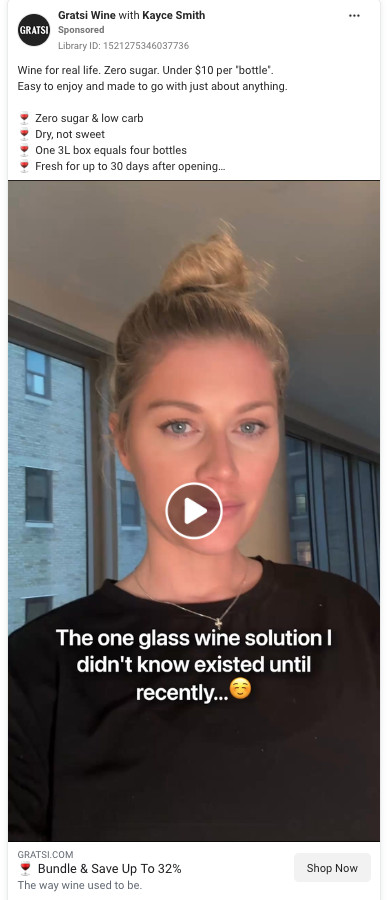

Capturing attention is no longer enough to create high-performing social ads. You also need to create curiosity that keeps people watching.
Stopping the scroll and hooking viewers in the first three seconds still matter. But as video-heavy platforms like Meta and TikTok continue investing in AI-powered delivery systems that optimize for engagement, watch time, and downstream conversions, what happens next matters, too.
Attention is the moment someone notices your ad. Curiosity is the reason they stick around instead of scrolling. Understanding that difference can help you build creative that earns both attention and consideration.
Attention is only the beginning
Many creative briefs I’ve seen begin with questions like “what’s our hook?” or “how do we stop the scroll?” While these questions matter, they focus almost entirely on the first few seconds of the ad, not how to maintain that fleeting attention in the seconds that follow.
Every piece of content on social media is competing for attention, and platforms are becoming increasingly better at predicting what users are most likely to engage with next.
A flashy visual, a bold headline, or an unexpected opening can earn a pause, but if the rest of your creative immediately answers every question or transitions into a predictable sales pitch, people will scroll onward.
High-performing creative doesn’t just interrupt the scroll. It creates a gap in information that people want to close. That’s curiosity.
Dig deeper: How to measure paid social’s impact on paid search performance
Uncover the keywords, ads, landing pages, and strategies driving your competitors’ paid search success—and find your next opportunity to outperform them.
Curiosity keeps the algorithms working for you
As user behavior changes and algorithms evolve, platforms increasingly reward signals that indicate genuine user interest. These signals include:
- Longer watch times.
- Meaningful engagement (e.g., saves and sharing videos via DMs).
- Higher video completion rates.
- Clicks that occur after viewing the content.
- Replays.
Platforms use these signals to identify content that people choose to spend their time with. Human curiosity naturally produces these signals because it encourages viewers to keep watching rather than scroll until something else grabs their attention.
The highest-performing creator ads often don’t feel rushed. They gradually reveal information through conversation, yapper-style content, demonstrations, storytelling, and personal experiences.
While the goal may be to secure a conversion quickly, sometimes slow and steady wins the race. A thoughtfully curated approach invites viewers to discover something new rather than asking them to purchase right away.
The rise of curiosity-driven creators
One recent creative shift is the growing popularity of longer-form, conversational creator ads called “yapper ads.” These ads are longer, less polished, more authentic, often unscripted, and sometimes don’t even mention the product immediately.
They seem to violate nearly every traditional best practice, but they perform well because they stand out, feel like conversations rather than commercials, and create curiosity throughout the video. They often address what happened next, why something solved a problem, and whether something would work well for the viewer.
Creators who do this well reward the attention they’ve earned with more interesting information throughout the content, and brands that boost these ads are seeing impressive results.

Dig deeper: Why ugly ads outperform polished creative and how to test them
Don’t improvise curiosity, build it
Curiosity should be intentionally designed because most creators can’t naturally create it on the fly. The creative strategy behind these successful ads is to delay the obvious and gradually reveal information.
To do this, create open loops with a surprising statement, an unexpected result, or a relatable problem that encourages viewers to stay for the outcome. Demonstrate something rather than just describing it, or show a transformation rather than simply listing features.
While this type of content is strategic, it can feel more human and natural by telling stories, answering questions along the way, and perhaps even jumping between thoughts. That conversational rhythm creates authenticity, trust, and ultimately, the momentum you’re aiming for.
Curiosity builds trust while clickbait breaks it
There’s an important distinction between curiosity and manipulation. Clickbait typically withholds information without delivering meaningful value, whereas curiosity rewards attention by eventually answering questions in a way that satisfies the viewer.
Every promise should be fulfilled, and every story should reach a worthwhile conclusion. Don’t trick people into watching longer and create an unpleasant experience. Make every second genuinely worth the viewer’s time because prospective customers will recognize your intent, and their behavior will send signals to the platforms.
Dig deeper: Why search ROAS depends on paid social more than you think
Optimize beyond the first three seconds
The advice has long been to obsess over the first three seconds of every video, and while that advice isn’t wrong, it may be incomplete. Instead of asking only, “Will someone stop scrolling?” creative teams should also ask, “Why would someone keep watching?”
Considering both can improve how creative is written, filmed, edited, and evaluated. Every transition should introduce another point of interest, and every scene should answer one question while creating another without overwhelming the viewer. It should also deliver on the promise to close earlier loops. Don’t just earn attention. Sustain it.
Creative is what you still control
AI has made audience targeting on social media advertising platforms smarter and easier than ever. Campaign setup continues to become more automated and streamlined, while machine learning handles more optimization.
Creative strategy and development remain in your hands. Algorithms can decide who sees an ad, but you can decide whether it’s worth watching. You have the ability to create compelling creative and develop novel ideas that tap into people’s natural curiosity.
That doesn’t mean you should stop trying to earn attention. You also need to sustain it because curiosity is what keeps the conversation going.
Dig deeper: How to structure paid social creative testing for better performance