Cloud Computing

Building more than just an agent harness​​​​‌‍​‍​‍‌‍‌​‍‌‍‍‌‌‍‌‌‍‍‌‌‍‍​‍​‍​‍‍​‍​‍‌​‌‍​‌‌‍‍‌‍‍‌‌‌​‌‍‌​‍‍‌‍‍‌‌‍​‍​‍​‍​​‍​‍‌‍‍​‌​‍‌‍‌‌‌‍‌‍​‍​‍​‍‍​‍​‍‌‍‍​‌‌​‌‌​‌​​‌​​‍‍​‍​‍‌‍​‌‍‌‌​​‍‍‌​‌‌​‌‍​‌‌‍​‌‍‍‌‍‌‌‍‌‍‌‌‌​‍‌‍‌‍‌‍​‌‍‌‌​‍‍‌‍​‌‍​‍‌‍‍‌‌‍‍‌‌​‌‍‌‌‌‍‍‌‌​​‍‌‍‌‌‌‍‌​‌‍‍‌‌‌​​‍‌‍‌‌‍‌‍‌​‌‍‌‌​‌‌​​‌​‍‌‍‌‌‌​‌‍‌‌‌‍‍‌‌​‌‍​‌‌‌​‌‍‍‌‌‍‌‍‍​‍‌‍‍‌‌‍‌​​‌‌‍‌​​‌‌​​‌‍‌‍​‍‌​​​‌‌​‍​​‍‌​​‌‍​‍‌‍​‍​​‍​‍‌​‌​‌‍‌‍​‌‍​‍‌​‍‌‌‍​‌‌‍‌‌‌‍​‍‌‍‌‌​‍‌‌‍‌​​​​​‌‌‍‌​​​‌​‍‌​‌‌​​‍​​‍‌‍​‌‍‌​​‌​​‍‌‌​‌‍‌‌​​‌‍‌‌​‌‌‍​‍‌‍​‌‍‌‍‌‌‌​​‌‍‌​‌‌​​‍‌​​‌‍​‌‌‌​‌‍‍​​‌‌‌​‌‍‍‌‌‌​‌‍​‌‍‌‌​‌‍​‍‌‍​‌‌​‌‍‌‌‌‌‌‌‌​‍‌‍​​‌‌‍‍​‌‌​‌‌​‌​​‌​​‍‌‌​​‌​​‌​‍‌‌​​‍‌​‌‍​‍‌‌​​‍‌​‌‍‌‍​‌‍‌‌​​‍‍‌​‌‌​‌‍​‌‌‍​‌‍‍‌‍‌‌‍‌‍‌‌‌​‍‌‍‌‍‌‍​‌‍‌‌​‍‍‌‍​‌‍​‍‌‍‌‍‍‌‌‍‌​​‌‌‍‌​​‌‌​​‌‍‌‍​‍‌​​​‌‌​‍​​‍‌​​‌‍​‍‌‍​‍​​‍​‍‌​‌​‌‍‌‍​‌‍​‍‌​‍‌‌‍​‌‌‍‌‌‌‍​‍‌‍‌‌​‍‌‌‍‌​​​​​‌‌‍‌​​​‌​‍‌​‌‌​​‍​​‍‌‍​‌‍‌​​‌​​‍‌‍‌‌​‌‍‌‌​​‌‍‌‌​‌‌‍​‍‌‍​‌‍‌‍‌‌‌​​‌‍‌​‌‌​​‍‌‍‌​​‌‍​‌‌‌​‌‍‍​​‌‌‌​‌‍‍‌‌‌​‌‍​‌‍‌‌​‍‌‍‌​​‌‍‌‌‌​‍‌​‌​​‌‍‌‌‌‍​‌‌​‌‍‍‌‌‌‍‌‍‌‌​‌‌​​‌‌‌‌‍​‍‌‍​‌‍‍‌‌​‌‍‍​‌‍‌‌‌‍‌​​‍​‍‌‌

Live from Microsoft Build, Ryan is joined by Jay Parikh, Microsoft’s VP of AI Core, for a conversation on what enterprises need to build, deploy, and run AI agents at scale with demonstrable ROI; how Microsoft built an end-to-end agent development system that goes past just the harness; and how you can evaluate for reliability

Building more than just an agent harness​​​​‌‍​‍​‍‌‍‌​‍‌‍‍‌‌‍‌‌‍‍‌‌‍‍​‍​‍​‍‍​‍​‍‌​‌‍​‌‌‍‍‌‍‍‌‌‌​‌‍‌​‍‍‌‍‍‌‌‍​‍​‍​‍​​‍​‍‌‍‍​‌​‍‌‍‌‌‌‍‌‍​‍​‍​‍‍​‍​‍‌‍‍​‌‌​‌‌​‌​​‌​​‍‍​‍​‍‌‍​‌‍‌‌​​‍‍‌​‌‌​‌‍​‌‌‍​‌‍‍‌‍‌‌‍‌‍‌‌‌​‍‌‍‌‍‌‍​‌‍‌‌​‍‍‌‍​‌‍​‍‌‍‍‌‌‍‍‌‌​‌‍‌‌‌‍‍‌‌​​‍‌‍‌‌‌‍‌​‌‍‍‌‌‌​​‍‌‍‌‌‍‌‍‌​‌‍‌‌​‌‌​​‌​‍‌‍‌‌‌​‌‍‌‌‌‍‍‌‌​‌‍​‌‌‌​‌‍‍‌‌‍‌‍‍​‍‌‍‍‌‌‍‌​​‌‌‍‌​​‌‌​​‌‍‌‍​‍‌​​​‌‌​‍​​‍‌​​‌‍​‍‌‍​‍​​‍​‍‌​‌​‌‍‌‍​‌‍​‍‌​‍‌‌‍​‌‌‍‌‌‌‍​‍‌‍‌‌​‍‌‌‍‌​​​​​‌‌‍‌​​​‌​‍‌​‌‌​​‍​​‍‌‍​‌‍‌​​‌​​‍‌‌​‌‍‌‌​​‌‍‌‌​‌‌‍​‍‌‍​‌‍‌‍‌‌‌​​‌‍‌​‌‌​​‍‌​​‌‍​‌‌‌​‌‍‍​​‌‌‌​‌‍‍‌‌‌​‌‍​‌‍‌‌​‌‍​‍‌‍​‌‌​‌‍‌‌‌‌‌‌‌​‍‌‍​​‌‌‍‍​‌‌​‌‌​‌​​‌​​‍‌‌​​‌​​‌​‍‌‌​​‍‌​‌‍​‍‌‌​​‍‌​‌‍‌‍​‌‍‌‌​​‍‍‌​‌‌​‌‍​‌‌‍​‌‍‍‌‍‌‌‍‌‍‌‌‌​‍‌‍‌‍‌‍​‌‍‌‌​‍‍‌‍​‌‍​‍‌‍‌‍‍‌‌‍‌​​‌‌‍‌​​‌‌​​‌‍‌‍​‍‌​​​‌‌​‍​​‍‌​​‌‍​‍‌‍​‍​​‍​‍‌​‌​‌‍‌‍​‌‍​‍‌​‍‌‌‍​‌‌‍‌‌‌‍​‍‌‍‌‌​‍‌‌‍‌​​​​​‌‌‍‌​​​‌​‍‌​‌‌​​‍​​‍‌‍​‌‍‌​​‌​​‍‌‍‌‌​‌‍‌‌​​‌‍‌‌​‌‌‍​‍‌‍​‌‍‌‍‌‌‌​​‌‍‌​‌‌​​‍‌‍‌​​‌‍​‌‌‌​‌‍‍​​‌‌‌​‌‍‍‌‌‌​‌‍​‌‍‌‌​‍‌‍‌​​‌‍‌‌‌​‍‌​‌​​‌‍‌‌‌‍​‌‌​‌‍‍‌‌‌‍‌‍‌‌​‌‌​​‌‌‌‌‍​‍‌‍​‌‍‍‌‌​‌‍‍​‌‍‌‌‌‍‌​​‍​‍‌‌ Read More »

Specification-driven composition for flexible data workflows

Specification-driven composition addresses a common scalability bottleneck in data pipelines. Data pipelines often start as simple scripts, but as they grow, you duplicate transformation logic and small changes cascade across multiple workflows. Copying and modifying data transformation logic across scripts leads to workflows that become difficult to manage at scale. Tracking what each pipeline does

Specification-driven composition for flexible data workflows Read More »

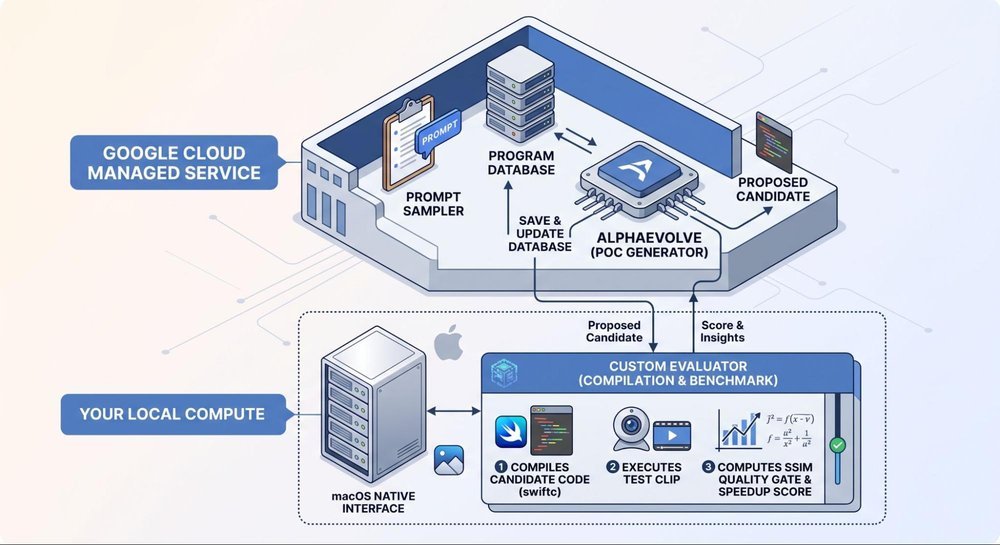
Solve harder problems with AlphaEvolve, now available to everyone on Google Cloud

Many of the most challenging and valuable problems in the world are related to optimization. Now, AI is now making these problems tractable. If you’ve ever tried to design a microchip, plan a delivery network, or optimize a training architecture for a large AI model, you know how hard it is to find the most

Solve harder problems with AlphaEvolve, now available to everyone on Google Cloud Read More »

Autopilot Clusters with GKE managed DRANET: GPUs and TPUs

Google Kubernetes Engine (GKE) managed DRANET supports both GPUs and TPUs. There are several configurations to use this implementation, including standard cluster (where you have full control) and autopilot cluster (where Google does the heavy configs for you). I’ve been exploring the capabilities and in this blog we will explore setting up for autopilot clusters.

Autopilot Clusters with GKE managed DRANET: GPUs and TPUs Read More »

C4N, now GA: Delivering cloud’s highest per vCPU network and block storage I/O for x86 workloads

As organizations scale modern workloads — from high-throughput databases and network/security appliances to real-time analytics and AI/ML inference — network and block storage performance can quickly become a bottleneck. Standard virtual machines often struggle to balance compute efficiency with the high-volume data-transfer demands of these applications. At Google Cloud Next ‘26, we announced C4N in

C4N, now GA: Delivering cloud’s highest per vCPU network and block storage I/O for x86 workloads Read More »

Google Cloud named Leader in the 2026 Gartner® Magic Quadrant™ for AI Infrastructure

In the agentic era, AI is evolving from answering questions to reasoning and taking action. Companies who want to lead in this next phase of AI need computing infrastructure that’s designed and optimized for these new requirements, helping them innovate faster, deliver compelling user and customer experiences, and optimize for cost and energy efficiency —

Google Cloud named Leader in the 2026 Gartner® Magic Quadrant™ for AI Infrastructure Read More »

New ways to keep Google Cloud certifications current and boost your career

If you’re reading this, you’ve likely already done the hard work to prove your qualifications with a Google Cloud certification. And good for you — research shows that’ll help you get ahead. Certified individuals report more responses from recruiters, faster promotions, and higher salaries. In fact, 81% of organizations say certifications from Google Cloud increase

New ways to keep Google Cloud certifications current and boost your career Read More »

Gemini Enterprise for Education named a Commander in Tambellini StarChart™: 2026 AI Agents for Administrative Efficiency—Agent Platforms

The agentic AI era is here, transforming how higher education institutions innovate, operate, and fundamentally empower learners, faculty, and researchers. AI agents can deliver unprecedented efficiency, academic innovation, and mission effectiveness as institutions seek to diversify pedagogy, accelerate research, and automate campus operations. That’s why we are proud to share that The Tambellini Group has

Gemini Enterprise for Education named a Commander in Tambellini StarChart™: 2026 AI Agents for Administrative Efficiency—Agent Platforms Read More »