Cloud Computing

7 ways networking powers your AI workloads on Google Cloud

When we talk about artificial intelligence (AI), we often focus on the models, the powerful TPUs and GPUs, and the massive datasets. But behind the scenes, there’s an unsung hero making it all possible: networking. While it’s often abstracted away, networking is the crucial connective tissue that enables your AI workloads to function efficiently, securely, […]

7 ways networking powers your AI workloads on Google Cloud Read More »
Upgrading Kubernetes versions just got safer with minor version rollback

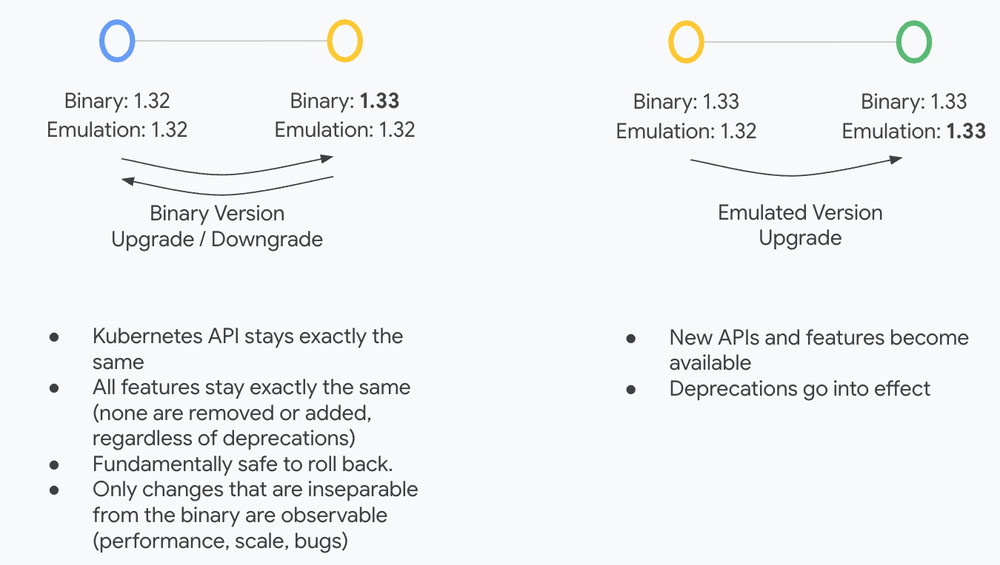
Upgrading a Kubernetes cluster has always been a one-way street: you move forward, and if the control plane has an issue, your only option is to roll forward with a fix. This adds significant risk to routine maintenance, a problem made worse as organizations upgrade more frequently for new AI features while demanding maximum reliability.

Upgrading Kubernetes versions just got safer with minor version rollback Read More »

Preparing for Threats to Come: Cybersecurity Forecast 2026

Every November, we make it our mission to equip organizations with the knowledge needed to stay ahead of threats we anticipate in the coming year. The Cybersecurity Forecast 2026 report, released today, provides comprehensive insights to help security leaders and teams prepare for those challenges. This report does not contain “crystal ball” predictions. Instead, our

Preparing for Threats to Come: Cybersecurity Forecast 2026 Read More »

Inside Mercado Libre’s multi-faceted Spanner architecture

Mercado Libre, the e-commerce and fintech pioneer of Latin America, operates at a staggering scale, demanding an infrastructure that’s not just resilient and scalable, but also a catalyst for rapid innovation. While our use of Spanner for foundational consistency and scale is known, a deeper dive reveals a sophisticated, multi-layered strategy. Spanner is not just

Inside Mercado Libre’s multi-faceted Spanner architecture Read More »

How scientists can leverage AI agents using Gemini Enterprise, Gemini Code Assist, and Gemini CLI

Scientific inquiry has always been a journey of curiosity, meticulous effort, and groundbreaking discoveries. Today, that journey is being redefined, fueled by the incredible capabilities of AI. It’s moving beyond simply processing data to actively participating in every stage of discovery, and Google Cloud is at the forefront of this transformation, building the tools and

How scientists can leverage AI agents using Gemini Enterprise, Gemini Code Assist, and Gemini CLI Read More »

A more native experience for Cloud TPUs with Ray on GKE

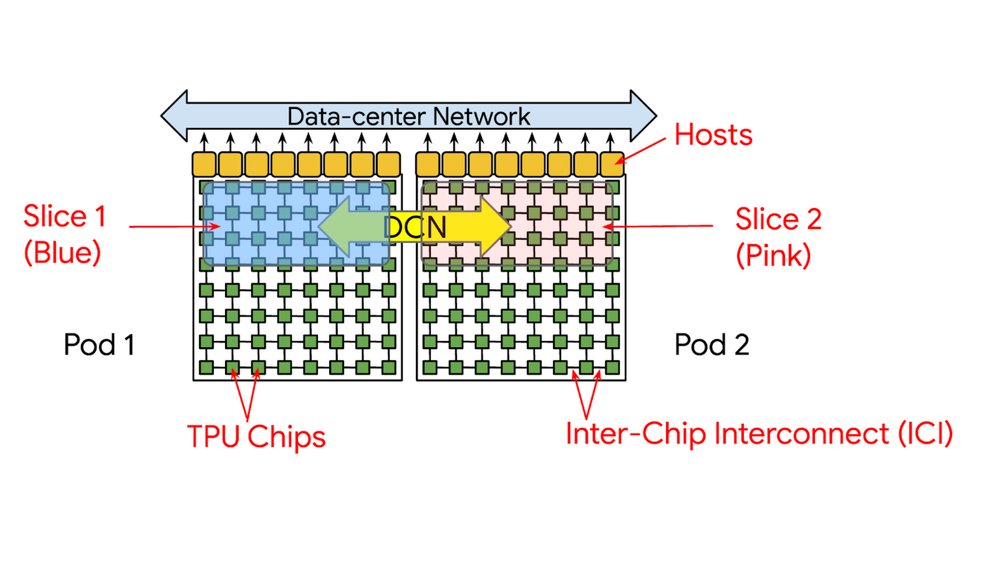
Engineering teams use Ray to scale AI workloads across a wide range of hardware, including both GPUs and Cloud TPUs. While Ray provides the core scaling capabilities, developers have often managed the unique architectural details of each accelerator. For Cloud TPUs, this included its specific networking model and Single Programming Multiple Data (SPMD) programming style. 

A more native experience for Cloud TPUs with Ray on GKE Read More »

Announcing the General Availability of Smarter, AI-powered Cost Anomaly Detection

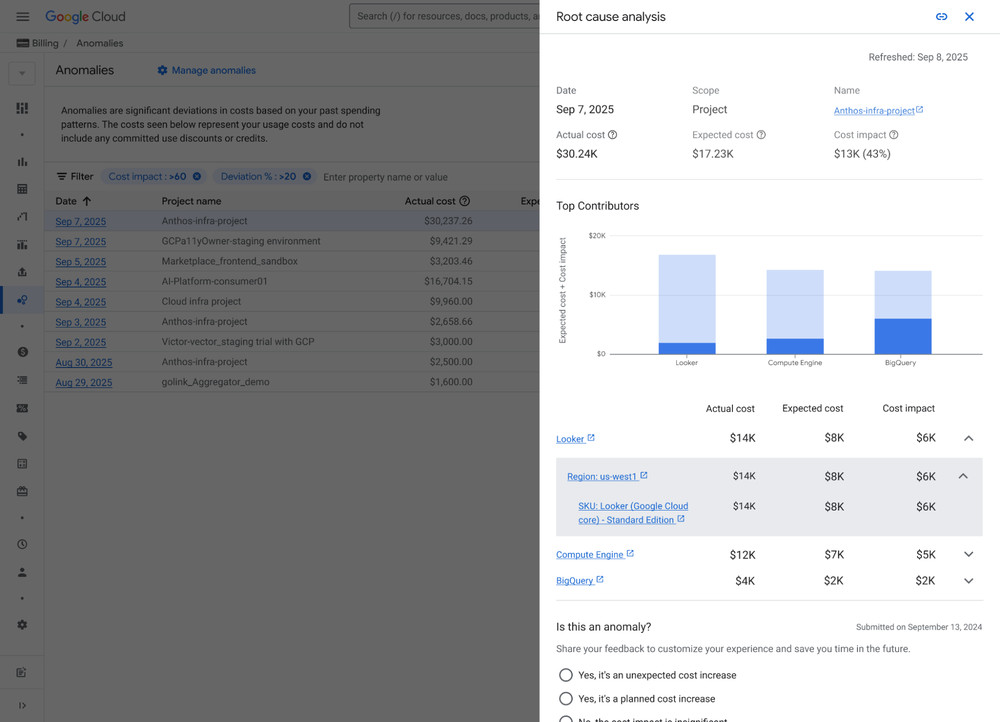
Last year, we announced the public preview of Cost Anomaly Detection, an AI-powered product designed to eliminate one of the biggest anxieties of using the Cloud: unexpected costs. The goal was to provide a safety net that automatically identifies unusual spikes in spending, helping you catch issues before they become financial problems. Today, we are

Announcing the General Availability of Smarter, AI-powered Cost Anomaly Detection Read More »