Cloud Computing

A student of Geoff Hinton, Yan Lacun, and Jeff Dean explains where AI is headed

Ben and Ryan are joined by Matt Zeiler, founder and CEO of Clarifai, an AI workflow orchestration platform. They talk about how the transformer architecture supplanted convolutional neural networks in AI applications, the infrastructure required for AI implementation, the implications of regulating AI, and the value of synthetic data.

A student of Geoff Hinton, Yan Lacun, and Jeff Dean explains where AI is headed Read More »

How PUMA leverages built-in intelligence with BigQuery for greater customer engagement

Leveraging first-party data, and data quality in general, are major priorities for online retailers. While first-party data certainly comes with challenges, it also offers a great opportunity to increase transparency, redefine customer interactions, and create more meaningful user experiences. Here at PUMA, we’re already taking steps to seize the opportunities presented by signal loss as

How PUMA leverages built-in intelligence with BigQuery for greater customer engagement Read More »

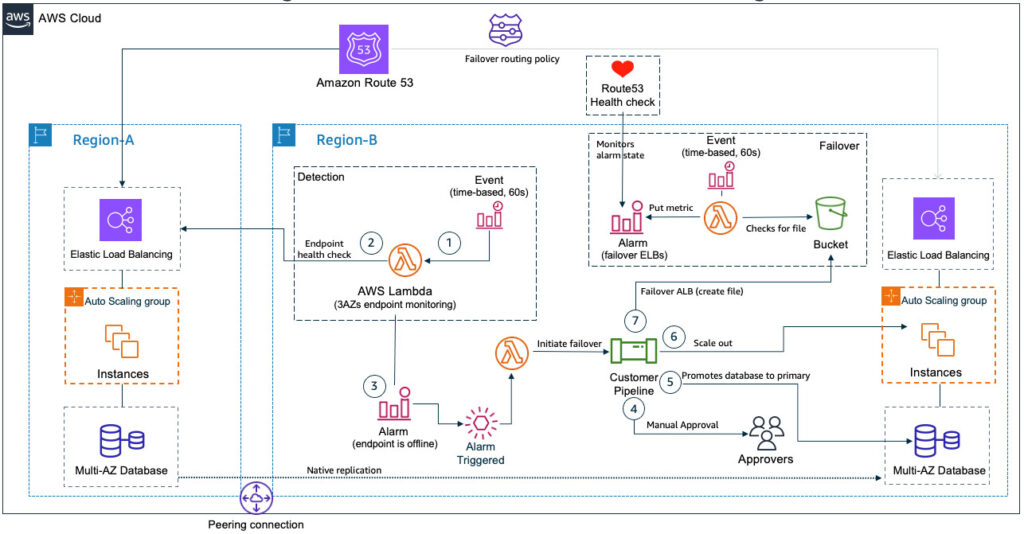
How an insurance company implements disaster recovery of 3-tier applications

A good strategy for resilience will include operating with high availability and planning for business continuity. It also accounts for the incidence of natural disasters, such as earthquakes or floods and technical failures, such as power failure or network connectivity. AWS recommends a multi-AZ strategy for high availability and a multi-Region strategy for disaster recovery.

How an insurance company implements disaster recovery of 3-tier applications Read More »

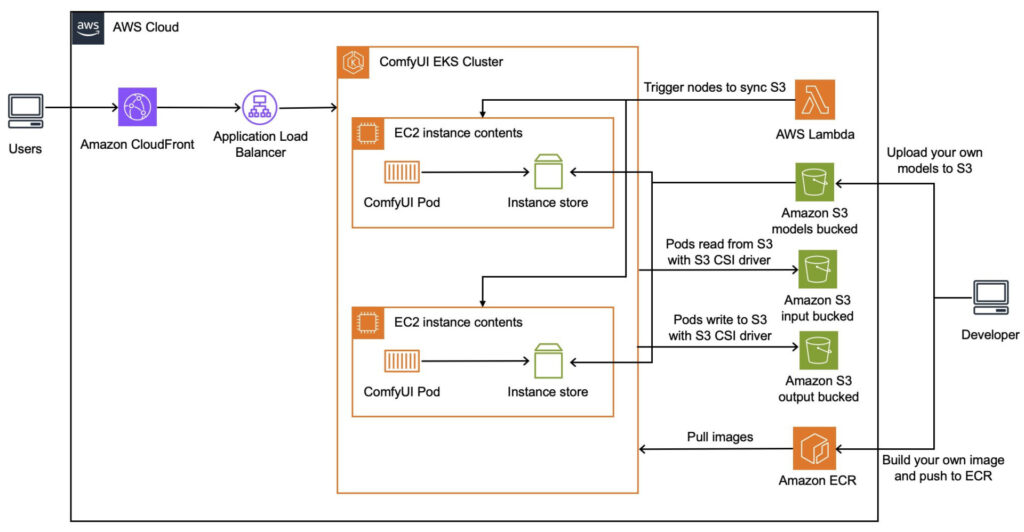
How to build custom nodes workflow with ComfyUI on Amazon EKS

ComfyUI is an open-source node-based workflow solution for Stable Diffusion and increasingly being used by many creators. We previously published a blog and solution about how to deploy ComfyUI on AWS. Typically, ComfyUI users use various custom nodes, which extend the capabilities of ComfyUI, to build their own workflows, often using ComfyUI-Manager to conveniently install and manage their

How to build custom nodes workflow with ComfyUI on Amazon EKS Read More »

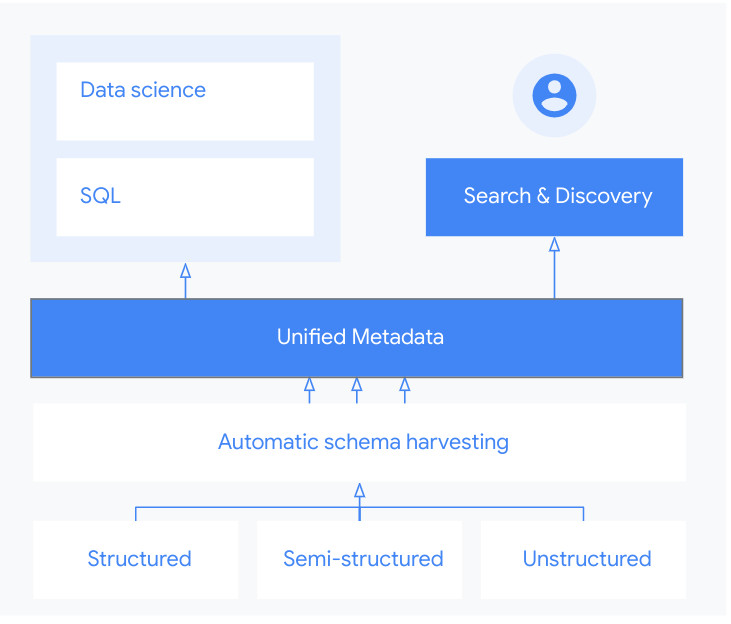
Dataplex Automatic Discovery makes Cloud Storage data available for Analytics and governance

In today’s data- and AI-driven world, organizations are grappling with an ever-growing volume of structured and unstructured data. This growth makes it increasingly challenging to locate the right data at the right time, and a significant portion of enterprise data remains undiscovered or underutilized — what’s often referred to as “dark data.” In fact, a

Dataplex Automatic Discovery makes Cloud Storage data available for Analytics and governance Read More »

How Verve achieves 37% performance gains with C4 machines and new GKE features

Earlier this year, Google Cloud launched the highly anticipated C4 machine series, built on the latest Intel Xeon Scalable processors (5th Gen Emerald Rapids), setting a new industry-leading performance standard for both Google Compute Engine (GCE) and Google Kubernetes Engine (GKE) customers. C4 VMs deliver exceptional performance improvements and have been designed to handle your

How Verve achieves 37% performance gains with C4 machines and new GKE features Read More »

Google Cloud deepens its commitment to security and transparency with expanded CVE program

At Google Cloud, we recognize that helping customers and government agencies keep tabs on vulnerabilities plays a critical role in securing consumers, enterprises, and software vendors.  We have seen the Common Vulnerabilities and Exposure (CVE) system evolve into an essential part of building trust across the IT ecosystem. CVEs can help users of software and

Google Cloud deepens its commitment to security and transparency with expanded CVE program Read More »

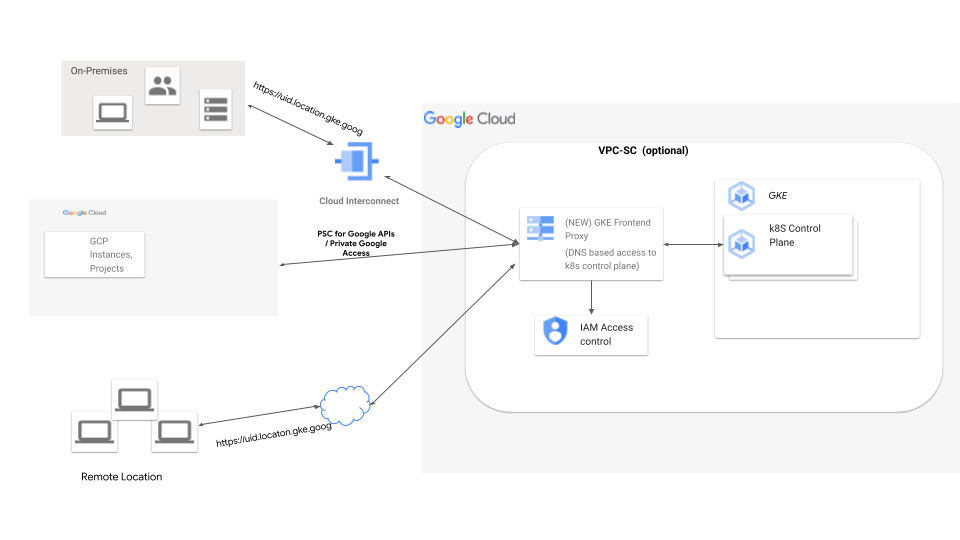
A new flexible DNS-based approach for accessing the GKE control plane

If you run Google Kubernetes Engine (GKE), you know it’s important to secure access to the cluster control plane that handles Kubernetes API requests, so you can prevent unauthorized access while still being able to control the cluster.  Previously, GKE provided two primary methods to secure the control plane: authorized networks and disabling public endpoints.

A new flexible DNS-based approach for accessing the GKE control plane Read More »