

Your First Humanoid Robot Coworker Will Probably Be Chinese
Explosive acceleration, limited dexterity, eyes in the back of its head. What could possibly go wrong?
Your First Humanoid Robot Coworker Will Probably Be Chinese Read More »
Explosive acceleration, limited dexterity, eyes in the back of its head. What could possibly go wrong?
Your First Humanoid Robot Coworker Will Probably Be Chinese Read More »

How the Cyberspace Administration of China inadvertently made a guide to the country’s homegrown AI revolution.

As Europe’s longstanding alliance with the US falters, its push to become a self-sufficient AI superpower has become more urgent.
The Race to Build the DeepSeek of Europe Is On Read More »

Leaders at Mira Murati’s startup believe Barret Zoph engaged in an incident of “serious misconduct.” The details are now coming to light.
Thinking Machines Cofounder’s Office Relationship Preceded His Termination Read More »

OpenAI says ads will not influence ChatGPT’s responses, and that it won’t sell user data to advertisers.
Ads Are Coming to ChatGPT. Here’s How They’ll Work Read More »
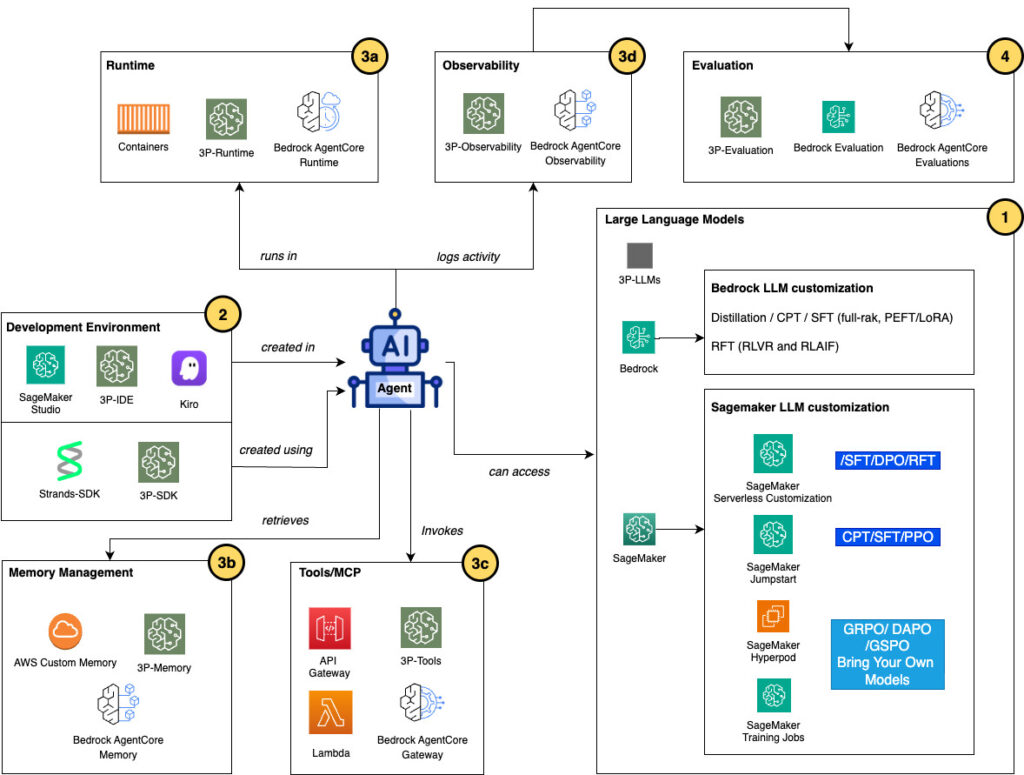
Our work with large enterprise customers and Amazon teams has revealed that high stakes use cases continue to benefit significantly from advanced large language model (LLM) fine-tuning and post-training techniques. In this post, we show you how fine-tuning enabled a 33% reduction in dangerous medication errors (Amazon Pharmacy), engineering 80% human effort reduction (Amazon Global
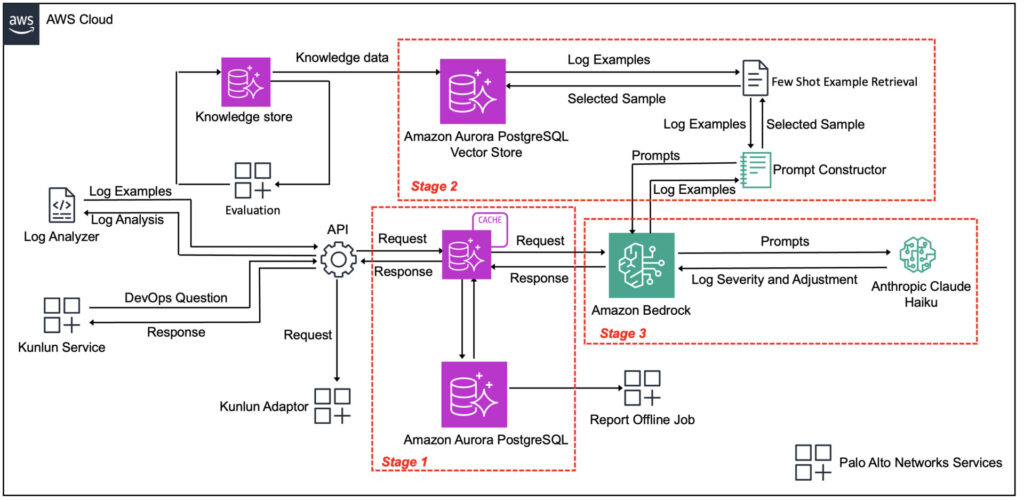
This post is co-written by Fan Zhang, Sr Principal Engineer / Architect from Palo Alto Networks. Palo Alto Networks’ Device Security team wanted to detect early warning signs of potential production issues to provide more time to SMEs to react to these emerging problems. The primary challenge they faced was that reactively processing over 200
How Palo Alto Networks enhanced device security infra log analysis with Amazon Bedrock Read More »

The AWS AI League, launched by Amazon Web Services (AWS), expanded its reach to the Association of Southeast Asian Nations (ASEAN) last year, welcoming student participants from Singapore, Indonesia, Malaysia, Thailand, Vietnam, and the Philippines. The goal was to introduce students of all backgrounds and experience levels to the exciting world of generative AI through
From beginner to champion: A student’s journey through the AWS AI League ASEAN finals Read More »
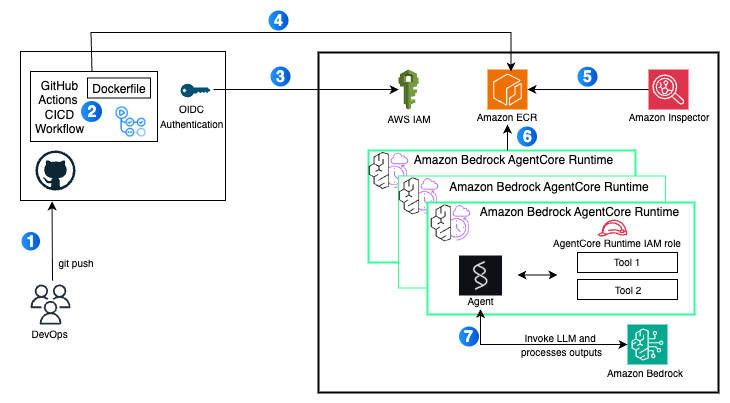
Recently, AWS announced Amazon Bedrock AgentCore, a flexible service that helps developers seamlessly create and manage AI agents across different frameworks and models, whether hosted on Amazon Bedrock or other environments. Specifically, AgentCore Runtime provides a secure, serverless, and purpose-built hosting environment for deploying and running AI agents or tools. AgentCore Runtime is framework agnostic,
Deploy AI agents on Amazon Bedrock AgentCore using GitHub Actions Read More »

OpenAI is planning to bring over more researchers from Thinking Machines Lab after nabbing two cofounders, a source familiar with the situation says. Plus, the latest efforts to automate jobs with AI.
Inside OpenAI’s Raid on Thinking Machines Lab Read More »